
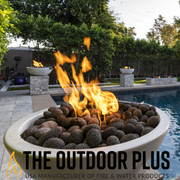
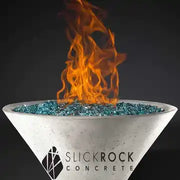
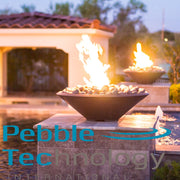
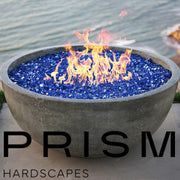



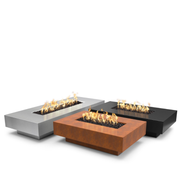
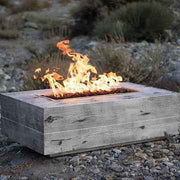
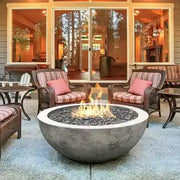
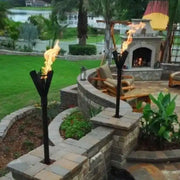
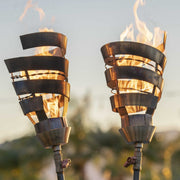
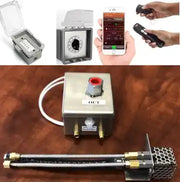
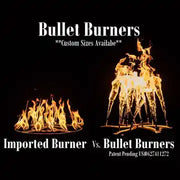
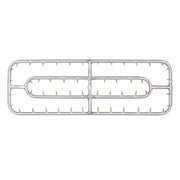
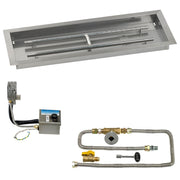
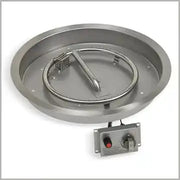
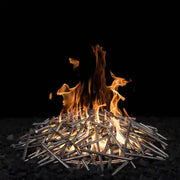

Bullet burners have emerged as the preferred choice for homeowners who are keen to get powerful, efficient, and visually impressive flames in their outdoor fire features. The bullet burners produce taller flames, cleaner combustion, and better fuel efficiency compared to the rest. However, if you want to get them to work with full efficiency compared to traditional burners, you need to focus on double rectangle bullet burner size along with BTU and installation. When these elements work together, the burner delivers unmatched flame quality, durability, and heat output.
Let us walk through this guide to understand everything that is essential to maximize the performance of bullet burner.
Which Elements Make Bullet Burners Unique?
The bullet burner comprises these engineered bullet-like elements inside the burner ports, creating an optimal mixture of gas-to-air before ignition. With this unique design, the burner generates:
- Higher and fuller flame movement
- Consistent heat distribution
- Reduced cold spots
- Cleaner-burning fire with minimal soot
- Superior fuel economy
As these burners depend heavily on proper pressure and airflow, evaluating the right size as well as BTU rating is the key to achieving a proper flame and the most impressive effect. The fire pit burner dimensions tend to change from one model to another, so make sure you get one with proper measurements.
Checking the Size of the Bullet Burner
When getting a burner for your fire pit, keep in mind that it needs to be 20%-30% smaller compared to the inner dimension of the fire pit and tray. That way, there remains adequate space for ventilation and flame distribution when you measuredouble rectangle bullet burner size correctly. Here are the general size recommendations you need to follow:
| Fire Pit Size(inches) | Burner Size(inches) |
| 24” | 12”-14” |
| 30” | 18”-24” |
| 36” | 24”-30” |
| 48” | 36” or customized |
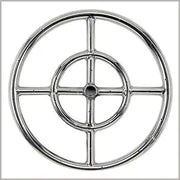
Once you get the fire pit burner dimensions right, you need to focus on the shape of the bullet burner. Typically, bullet burners come in circular, square, rectangular, “H-style,” and custom shapes. Your burner should match the geometry of your fire pit to avoid uneven flame patterns or dead zones.
Furthermore, you need to consider flame coverage vis-à-vis the size of the burner. A larger burner provides spread of flames at a broader level, more visually attractive, and increased heating performance. On the other hand, a smaller burner is more appropriate for compact spaces or you need a more concentrated central flame.
Choosing the Correct BTU Output
Choosing the correct BTU requirements for fire pits is a crucial decision. Bullet burners already burn more efficiently, so choosing the correct BTU rating is essential for balancing flame height, safety, and distribution of heat. However, the ideal heat output depends on the size of the outdoor area, wind exposure levels, and how tall you want the flames to go. Here are the BTU ranges you need to consider:
| Burner Size (in inches) | BTU |
| 12” | 45,000-65,000 |
| 18” | 90,000-120,000 |
| 24” | 150,000 -180,000 |
| 30” | 200,000 -250,000 |
| 36” | 250,000 -300,000 (or more) |
BTU – Natural Gas vs. Propane
Natural Gas – Lower BTU density but consistent flow and require large gas ports
Propane – Higher BTU per cubic foot and needs proper airflow to prevent the buildup of soot
Significance of proper Installation
Here are the things to follow during installation of bullet burner:
1. Choose a High Quality Burner Pan
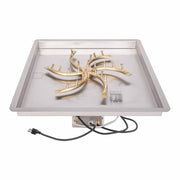
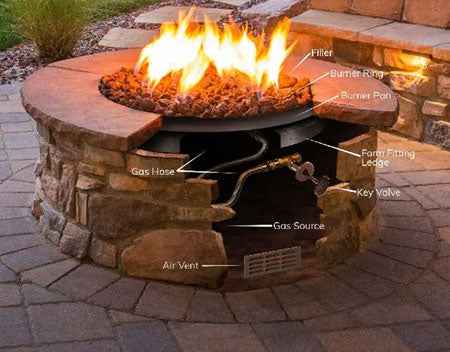
The burner pan improves the airflow, supports the burner, and protects the fire pit structure, so you need to choose:
- Drop-in pans for fire tables
- Flat pans for built-in structures
- Cross-flow pans for large fire features
Stainless steel pans offer the best long-term durability.
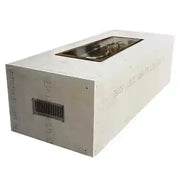
2. Ensure Adequate Ventilation
With proper ventilation, you can ensure safe operation of the fire feature and achieve top flame performance. Here are the general requirements:
- 18 inches of venting on each side
- Include lower vents for air intake and upper vents for release of heat
- Refrain from blocking vents with decorative walls or materials
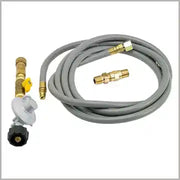
3. Install the Correct Gas Line
Installing the correct gas line maintains adequate pressure allow the burner to perform appropriately. Therefore, you need to check if the capacity of the gas line aligns with the heat output. Longer pipes need to be of larger diameters to maintain adequate gas pressure.
4. Appoint a Professional Installer
A professional gas burner installer:
- Calibrates gas pressure correctly
- Performs leak tests
- Ensures ventilation code compliance
- Installs orifices and fittings correctly
Final Thoughts
To get the most out of your bullet burner, you need a balanced approach. When you follow each step correctly, your fire feature will deliver tall and beautiful flames and exceptional heat output. That way, the bullet burner adorns the outdoor space truly.
Are you ready to elevate your fire feature with premium bullet burners, custom pans, and high-performance outdoor heating solutions? Outdoor Fire and Patio offers top-quality products, expert guidance, and reliable support to help you build a fire feature that burns brighter, lasts longer, and looks stunning all year round. Visit for a perfect outdoor fire experience.
FAQs
How important is BTU rating when choosing a bullet burner?
It is very important as BTU determines heat output and flame height. Choosing the right BTU requirements for fire pits ensures safe and efficient performance without overheating your burner or fire pit.
Can I use the same burner for natural gas and propane?
No, bullet burners are fuel-specific. Natural gas and propane require different orifices and air-mixing configurations. Therefore, you can only use burners rated for your fuel type or install a proper conversion kit.
Can I use a bullet burner indoors?
No, bullet burners are designed exclusively for outdoor use due to high heat output and ventilation needs.
Leave a comment