
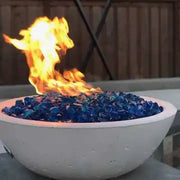
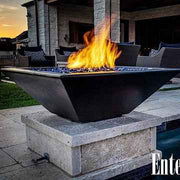
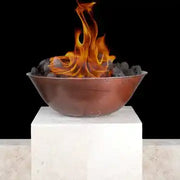
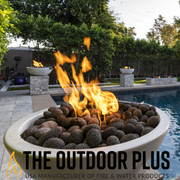
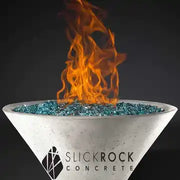

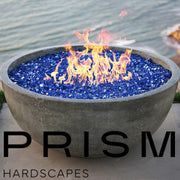
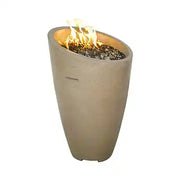

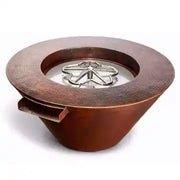
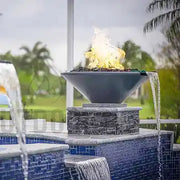
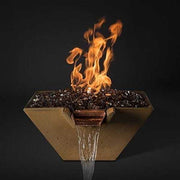
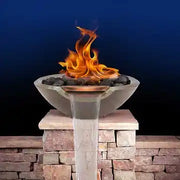



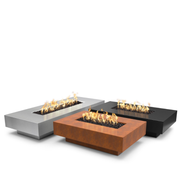
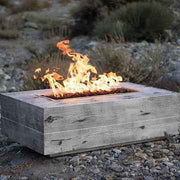
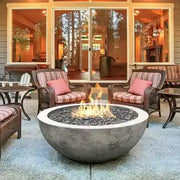
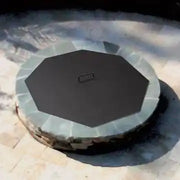

Copper, steel, and concrete fire tables may not produce a lot of smoke but it can occur due to the fuel used like wood, ethanol or gas. Furthermore, debris buildup, poor airflow, or improper ignition can also lead to excessive smoke. Using clean-burning fuels, maintaining burners, and ensuring proper ventilation help keep fire pit tablesclean and also reduce smoke effectively.
Copper, steel, and concrete fire tables are popular for their modern aesthetics, durability, and low maintenance. Yet, some users still report smoke issues, even with non-wood fire tables. The confusion often stems from misunderstanding where smoke actually comes from. In reality, the material of the fire table does not create smoke but it is produced by fuel choice, combustion efficiency, and maintenance conditions.
Can Smoke Result from Fire Pit Table Materials?
Copper, steel, and concrete are non-combustible materials. They:
- Do not burn
- Do not release smoke
- Do not affect combustion chemistry
Smoke is always a byproduct of fuel combustion and not the table structure itself. However, the design and condition of the fire table can influence airflow and heat distribution, indirectly affecting smoke levels.
Common Causes of Smoke in Copper, Steel, and Concrete Fire Tables
1. Type of Fuel Used
The commonest cause of smoke in copper fire pit tables is fuel selection.
Wood-burning setups
- Produce natural smoke due to organic material combustion
- Poor-quality or damp wood increases smoke
Ethanol or gel fuel
- Can emit light smoke with impurities
- Improper ignition may cause brief smoke bursts
Gas (propane or natural gas)
- Designed to burn clean
- Smoke usually indicates contamination or malfunction
For minimal smoke, gas fire tables are the cleanest option.
2. Debris, Dust, and Residue Buildup
Even a propane fire pit table can create smoke when:
- Leaves or insects collect in the burner pan
- Dust accumulates on burner ports
- Food spills or oils burn off during ignition
When the fire starts, these materials burn first which results in temporary smoke and odor.
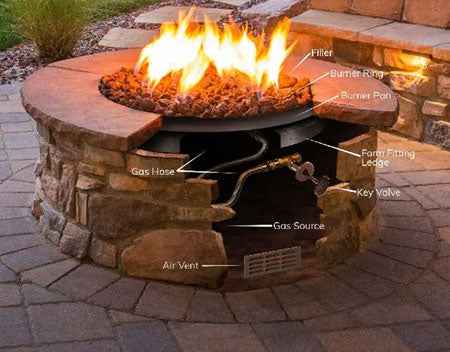
3. Poor Airflow or Blocked Burner Ports
You need air to light up fire pit tables but smoke can occur when:
- Burner holes are partially blocked
- Media (lava rocks or fire glass) is packed too tightly
- Ventilation openings are obstructed
Restricted airflow leads to incomplete combustion, resulting in yellow flames and light smoke.
4. Incorrect Adjustment of Flames
Improper gas flow can cause smoke-like effects.
- Flames that are too low may flicker and sputter
- Flames that are too high can cause soot buildup
- Uneven flames indicate pressure imbalance
Correct flame height ensures clean and blue-based flames.
5. Moisture in the Fire Table
How do you overlook moisture in concrete fire pit tables? Here is how:
- Rainwater trapped in burner pans
- Damp fire media
- Condensation in gas lines
When heated, moisture evaporates and mixes with combustion byproducts, creating a steam-like smoke appearance.
How to Reduce Smoke from Copper, Concrete and Steel Fire Pit Tables?

1. Choose Clean Burning Fuel
For smoke-free performance in a steel fire pit table:
- Use propane or natural gas whenever possible
- Avoid low-grade ethanol or gel fuels
- Never burn scrap wood or treated materials
Certified and manufacturer-approved fuels reduce residue and emissions.
2. Clean the Fire Tables Regularly
Maintenance is the key to clean flames.
- Remove debris before lighting
- Clean burner ports with a soft brush
- Wipe down surfaces to remove oils or spills
A clean burner ignites faster and burns more efficiently.
3. Arrange Fire Media
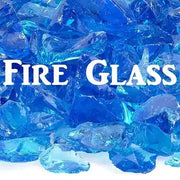
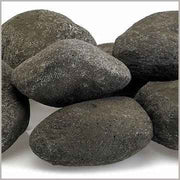
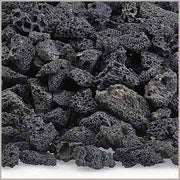
Lava rocks or fire glass should:
- Be evenly spread
- Not cover burner holes completely
- Allow visible airflow gaps
Overloading media is a common cause of airflow restriction.
4. Moisture Evaporation Before Full Use
After cleaning:
- Run the fire table on low for 5–10 minutes
- Allow moisture to evaporate fully
- Increase flame gradually
This prevents steam buildup and sputtering.
5. Inspect Gas Components Periodically
For gas fire tables:
- Check hoses and connections
- Ensure regulators function correctly
- Watch for uneven or flickering flames
Professional inspection is recommended annually for heavy use.

Conclusion
Copper, steel, and concrete gas fire tables are considered smokeless, but “smokeless” means minimal visible smoke under normal conditions. Improper fuel, poor maintenance, or airflow issues can still cause temporary smoke.
When properly maintained, these fire tables offer clean flames, minimal odor, and a comfortable outdoor experience. Upgrade your outdoor living with Outdoor Fire and Patio. Visit https://outdoorfireandpatio.com/ to explore premium fire tables designed for clean flames, lasting durability, and effortless style perfect for creating warm and smoke-free gatherings year-round.
FAQs
1. Why does my gas fire table produce smoke sometimes?
Gas fire tables may produce smoke due to dust, leaves, insects, food residue, or moisture burning off the burner or fire media during ignition.
2. Which fire table fuel produces the least smoke?
Natural gas and propane produce the least smoke. They are the cleanest-burning fuels and are considered nearly smokeless when the fire table is properly maintained.
3. How do I reduce smoke from a concrete fire table?
To reduce smoke, use clean-burning gas fuel, keep burners free of debris, ensure proper ventilation, avoid overloading fire media, and allow moisture to evaporate before increasing flame height.
4. Do copper fire tables require special maintenance to prevent smoke?
No special maintenance is required beyond regular cleaning. Keeping burner ports clear and removing debris ensures efficient combustion and prevents smoke buildup
Leave a comment