

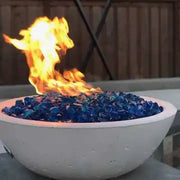
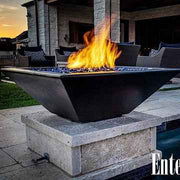
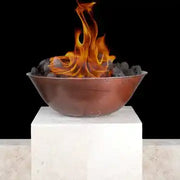


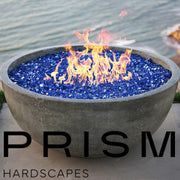
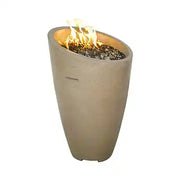
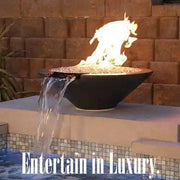






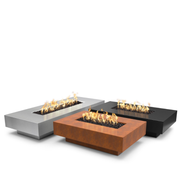
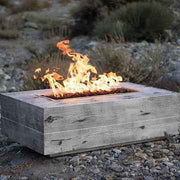
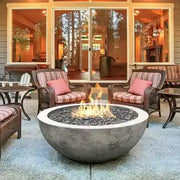


Concrete fire tables can develop cracks from heat or weather exposure but it often happens due to poor material quality, improper curing, temperature fluctuations getting extreme or lack of maintenance.
Even though a concrete fire table is more popular for modern aesthetics, durability, and the ability to withstand outdoor conditions, homeowners are still in a dilemma as to whether it can be a victim of inclement weather. Now, cracking cannot be entirely ruled out but you need to focus on the reasons that lead to the development of cracks and how to keep it looking great for years.
How Heat and Weather Impacts Concrete Fire Tables?
A fire pit table made from concrete is naturally strong but it is not immune to heat and weather:
Heat
Thermal Expansion and Contraction
When a fire pit is in use, the concrete surface heats up but once the fire is turned off, the material cools down. Due to the repeated heating and cooling cycles, the material expands and contracts. Over time, this movement can lead to concrete fire pit cracking, especially in low-quality or poorly reinforced materials.
Direct Flame Exposure
Concrete fire pit tables are designed so the flame remains centered in the burner area. If flames touch the concrete surface directly due to incorrect burner installation or excessive flame height, the localized heat can weaken the concrete and increase the risk of cracking.
Weather Exposure
Weather exposure is one of the biggest reasons why concrete gas fire pit tables may crack.
Freeze–Thaw Cycles
In colder climates, moisture can seep into small pores or micro-cracks in the concrete. When temperatures drop, the trapped water freezes and expands, causing the cracks to widen. Repeated freeze–thaw cycles can significantly damage untreated concrete fire pit tables.
Rain and Moisture
Concrete is porous by nature. Without a proper sealant, rainwater can penetrate the surface, weakening the structure over time and increasing the chances of cracking when combined with heat or cold.
Extreme Sun and Heat
Prolonged exposure to intense sunlight can dry out concrete, causing surface stress and minor cracking, especially if the concrete was not cured properly during manufacturing.
Reasons for Concrete Fire Tables to Crack
Most cracks in concrete fire table propane are not caused by heat or weather alone, but by a combination of factors:
- Low-quality concrete mixes
- Improper curing during manufacturing
- Lack of steel or fiber reinforcement
- Poor drainage around the fire pit table
- Skipping routine maintenance and sealing
Tips to Prevent Cracking in Concrete Fire Tables
Preventive care goes a long way in extending the lifespan of your concrete fire pit table and here is how:
Choose High-Quality Materials
You can look for fire pit tables made from fiber-reinforced or GFRC (Glass Fiber Reinforced Concrete), which offers better resistance to heat and weather stress.
Use a Weather-Resistant Sealant
Applying a high-quality concrete sealant reduces moisture absorption and protects against freeze–thaw damage.
Avoid Sudden Temperature Changes
Do not pour water on a hot fire pit or use it immediately after heavy rain. Allow the surface to adjust naturally to temperature changes.
Cover When Not in Use
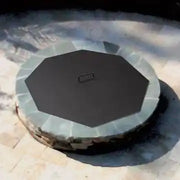
Using a weatherproof cover helps protect the concrete from rain, snow, and UV exposure.
Final Thoughts
Yes, concrete fire pit tables often crack due to heat and weather exposure. However, cracking is often the result of poor materials, environmental stress, or lack of maintenance rather than normal use. With proper design, quality materials, and simple care practices, concrete fire pit tables can remain durable, safe, and visually appealing for many years. Turn your backyard into a year-round retreat with expertly crafted fire pit tables from Outdoor Fire and Patio.
Frequently Asked Questions
Can concrete fire pit tables crack from heat?
Yes, concrete fire pit tables can develop hairline cracks from repeated heating and cooling cycles. This is normal and usually cosmetic when high-quality, fire-rated concrete is used.
Does cold weather damage concrete fire pit tables?
Cold weather can damage concrete fire pit tables if moisture enters the surface and freezes. Freeze–thaw cycles may cause cracking unless the concrete is properly sealed.
What type of concrete fire pit table is most crack-resistant?
GFRC (Glass Fiber Reinforced Concrete) fire pit tables are more resistant to heat, weather exposure, and cracking compared to traditional concrete.
Do concrete fire pit tables require regular maintenance?
Minimal maintenance is required, but sealing once or twice a year and keeping the surface clean helps prevent weather-related damage.
Leave a comment