

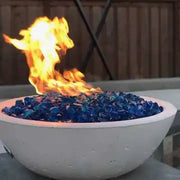
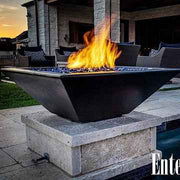
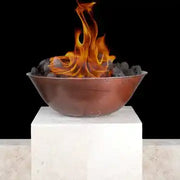
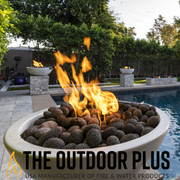
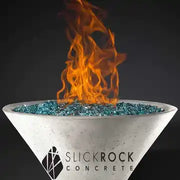

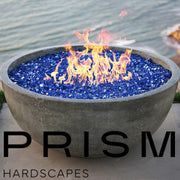
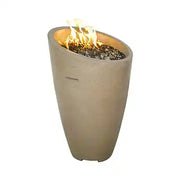
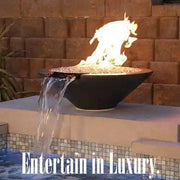
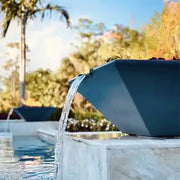
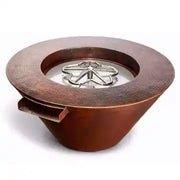
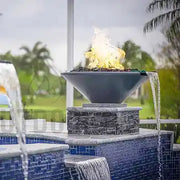


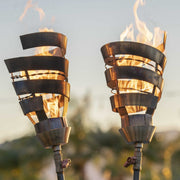
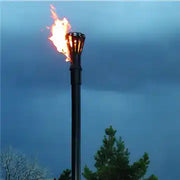
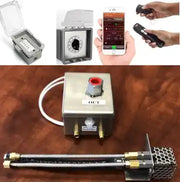
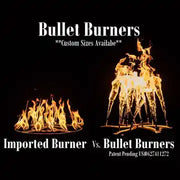

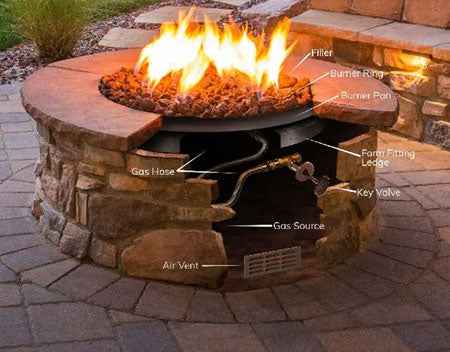
Most homeowners focus on style, size, and types of fuel when choosing a gas fire table. However, one of the most important factors that may affect the performance of the gas fire table is the burner design. The shape, size, and construction of the burner may affect the height of the flame, heat output, flame pattern, and the overall efficiency.
Understanding the gas fire table burner design in depth can help you make a better choice that delivers a visual appeal and consistent warmth for outdoor gatherings.
Why Burner Design Matters in Gas Fire Tables?
The burner is the component responsible for distributing gas and creating flames. Different burner designs control how fuel flows and the fire table heat output.
A well-designed burner improves:
- Fire table flame height and stability
- Heat distribution
- Fuel efficiency
- Visual flame presentation
- Safety and performance
How Burner Shape Affects Flame Height?
The shape of the burner plays a major role in determining how flames appear.
Round Burners
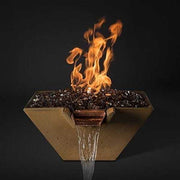
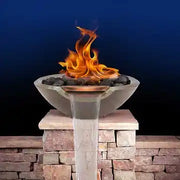
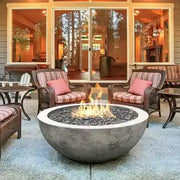
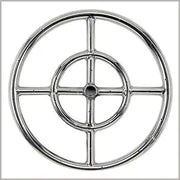
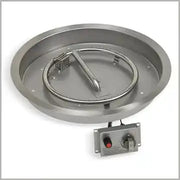
Round burners create a balanced and centralized flame pattern. They are commonly used in compact fire tables and produce medium flame height with even fire table flame control.
Linear Burners
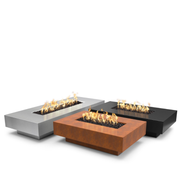
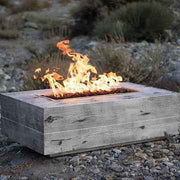
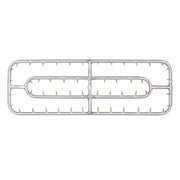
Linear burners are popular in modern rectangular gas fire tables. These burners create longer flame lines and offer a dramatic visual effect. When gas spreads across a wider area, flame height may appear lower but the heat coverage is broader.
H-Burners and Stainless-Steel Burners
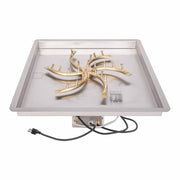
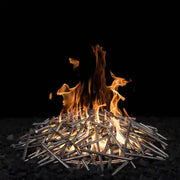
H-shaped burners are designed for larger fire tables where consistent flame distribution is important. High-quality stainless-steel burners also resist corrosion and maintain stable flames over time.
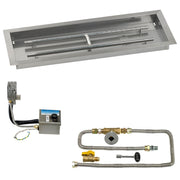
Getting the right gas fire pit burner kit gives you access to the right fire pit burner design.
Burner Port Design and Heat Output
Burner ports are the small openings where gas escapes to produce flames. Their size and spacing significantly influence heat output. Here is what you need to keep in mind about BTU burner port design:
- Smaller ports create controlled and concentrated flames
- Larger ports allow better gas flow, increasing flame height and BTU output
- Evenly spaced ports ensure balanced flames and efficient heating.
The number of burner ports also affects performance. More ports generally produce fuller flames and better heat distribution.
Importance of Material Quality
Burner material directly affects durability and heat efficiency.
Stainless Steel Burners
Stainless steel is one of the best materials for gas fire table burners because it resists rust, withstands high temperatures, and supports long-term outdoor use.
Brass Burners
Brass burners offer excellent heat retention and durability, making them suitable for premium gas fire tables.
Choosing high-quality burner materials helps maintain consistent flame height and reliable heat output over time.
BTU Ratings and Burner Efficiency
Heat output in gas fire tables is measured in BTUs (British Thermal Units). Burner design influences how effectively these BTUs are delivered.
A poorly designed high-BTU burner may waste fuel without improving warmth. In contrast, an efficient burner design maximizes heat while maintaining attractive flames.
For most outdoor spaces, gas fire tables between 40,000 and 60,000 BTUs provide a comfortable balance of heat and fuel efficiency.
Conclusion
Burner design is one of the most important factors affecting the performance of gas fire tables. From flame height and heat output to fuel efficiency and visual appeal, every aspect depends on how the burner is engineered.
Whether you prefer a modern linear flame or a traditional round fire feature, selecting the right burner design ensures your gas fire table delivers warmth, ambiance, and long-lasting performance for years to come. Upgrade your outdoor space with premium gas fire tables from Outdoor Fire and Patio designed for lasting warmth, style, and unforgettable evenings. Visit https://outdoorfireandpatio.com/ for more details.
FAQs
1. How does burner design affect flame height in gas fire tables?
Burner design controls how gas is distributed across the fire table. Larger or strategically spaced burner ports usually create taller and fuller flames, while linear burners produce wider flame patterns with balanced heat coverage.
2. Which burner type produces the most heat in a gas fire table?
High-quality stainless-steel and H-shaped burners are commonly used for higher heat output because they distribute gas evenly and maintain stable flames across larger surfaces.
3. Are linear burners better than round burners?
Linear burners are ideal for modern rectangular fire tables and provide broader heat distribution. Round burners create more centralized flames and are often preferred for compact or traditional fire table designs.
4. What is a good BTU rating for a gas fire table?
Most residential gas fire tables perform well between 40,000 and 60,000 BTUs. The ideal BTU rating depends on the table size, outdoor space, and desired heat output.
5. Why is stainless steel commonly used for fire table burners?
Stainless steel burners resist rust, corrosion, and extreme heat, making them durable and reliable for long-term outdoor use.
6. Can burner design improve fuel efficiency?
Yes. Efficient burner designs optimize gas flow and flame stability, helping the fire table produce consistent heat while reducing unnecessary fuel consumption.
Leave a comment