

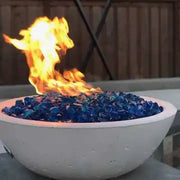
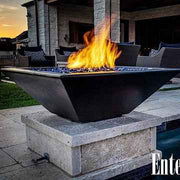
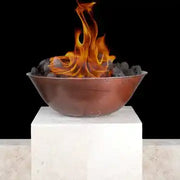


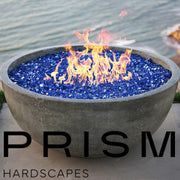


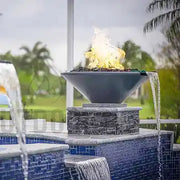
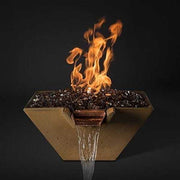
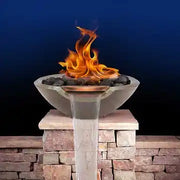



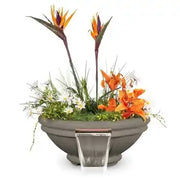


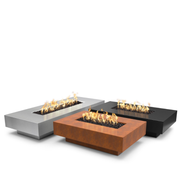
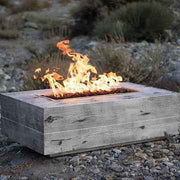
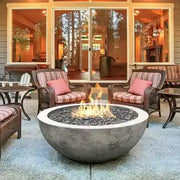

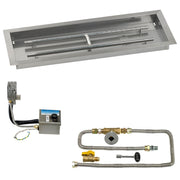
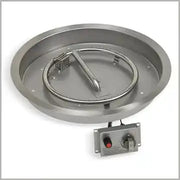
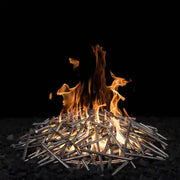
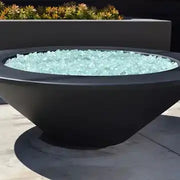

A gas fire bowl is a popular choice for outdoor decks, patios, and backyard but when it comes to generating warmth, one common question that most buyers ask is how much heat does a fire bowl actually produce? Most gas fire bowls produce about 30,000 to 65,000 BTUs of heat but for high-performing and industrial models, heat generation can cross 100,000 BTUs based on fuel type, size and burner design.
What Does BTU Mean in a Gas Fire Bowl?
British Thermal Unit or BTU measures how much heat a fire feature can produce per hour. So, the higher the BTU greater is the warmth. Here is why gas fire bowl heat output or BTU matters and the difference between low and high fire bowls:
- It determines the heat output and the level of warmth of the fire feature
- It helps match the fire bowl to the size or area of the outdoor space
- Higher BTU ratings provide more heat for large or open areas
- Lower BTU ratings are ideal for small patios and ambient heating
- It impacts comfort, fuel efficiency, and the overall outdoor experience
Difference between Low and High Gas Fire Bowls
Check the differences below:
High BTU Fire Bowls
High BTU fire bowls produce stronger heat and hence are ideal for large patios, open outdoor spaces, or cooler climates. Although the warmth they produce is noticeably higher, they consume more fuel.
Low BTU Fire Bowls
The lower BTU fire bowls offer gentler heat and are better suited for small patios, enclosed areas, or mild weather. Moreover, they are also fuel-efficient.
Heat Output Table
Fire Bowl Type |
Typical BTU Range |
Best Use Case |
Small Gas Fire Bowl (24”-28”) |
30,000-40,000 BTUs |
Low Warmth, mild climates |
Medium Gas Fire Bowl (30”-36”) |
40,000-60,000 BTUs |
Social seating areas |
Large Gas Fire Bowl (40” or more) |
60,000-100,00 BTUs |
Open Patios, cooler evenings |
Propane Gas Fire Bowls |
40,000-65,000 BTUs |
Portable setups |
Natural Gas Fire Bowls |
50,000-100,000 BTUs |
Permanent installations |
Factors Affecting Gas Fire Bowl Heat Output
Check these factors below that affect the heat output of gas fire bowls:
1. Fuel Type: Propane vs Natural Gas
- Propane burns hotter per unit but is limited by tank size.
- Natural gas offers continuous fuel and higher maximum BTUs for large bowls.
2. Burner Size and Design
- Larger burners imply more BTUs
- Multi-ring or wide burners distribute heat more evenly.
3. Fire Media
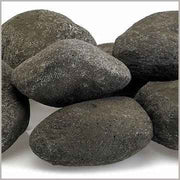
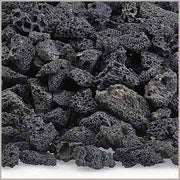
- Lava rocks absorb and radiate heat well.
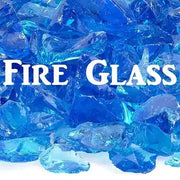
- Fire glass reflects heat outward and increases perceived warmth.
4. Bowl Diameter and Depth
A wider bowl allows more flame spread, improving heat distribution rather than intensity at one point.
Propane vs Natural gas: Heat Comparison Table
Here is the propane vs natural gas comparison table:
Feature |
Propane |
Natural Gas |
Heat Output |
Higher BTU |
Lower BTU |
Flame |
Hotter, Stronger |
Softer, Steadier |
Heating Speed |
Heats faster |
Heats gradually |
Best Use |
High-heat, portable fire bowls |
Built-in, permanent fire features |
How Much Area Can a Gas Fire Bowl Heat?
Typically, a gas fire bowl is designed for ambient warmth and it does not function like a patio heater:
- Fire bowls heat an area within three to six feet radius based on BTU and conditions
- The ideal seating distance is about three to four feet from the fire bowl
- The warmth is strongest with the guests seated around the bowl
- In mild weather, the heat feels cozy or adequate for small groups
- In windy or wintery conditions, the effective heating area reduces and the bowls with higher BTU perform better.
Are Gas Fire Bowls Enough for Winter Heating?
is best suited for:
- Seating groups close together
- Adding warmth during evenings
- Creating a focal point for outdoor living
They are not ideal for:
- Heating large patios
- Extremely cold or windy conditions
- Replacing patio heaters
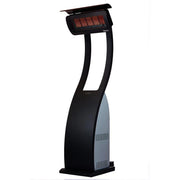
For larger spaces, many homeowners combine a fire bowl with patio heaters or fire pit tables. Covered patios perform better by retaining heat and reducing exposure to cold air but gas fire bowls are best used for localized comfort and not full outdoor heating.
Safety Considerations Related to Heat Output
When choosing a gas fire bowl, heat output plays a key role in safety as well as comfort. Proper installation and use help prevent fire hazards and ensure safe operation in outdoor spaces.
Minimum clearance
Maintain adequate distance from furniture, walls, ceilings, and combustible materials as recommended by the manufacturer
Ventilation needs
Use gas fire bowls only in well-ventilated outdoor or semi-open areas to prevent heat buildup and gas accumulation
Safe BTU selection for patios
Choose a BTU rating that matches your patio size, which implies higher BTUs for open spaces and moderate BTUs for covered or small patios to avoid excessive heat.
Final Thoughts
A gas fire bowl typically produces enough heat to keep people comfortable but not to heat an entire patio. For most homes, a 40,000–65,000 BTU gas fire bowl offers the best balance between warmth, safety, and fuel efficiency.
If your goal is cozy ambiance with usable warmth, a gas fire bowl is an excellent outdoor fire feature choice.
FAQs
Is a gas fire bowl enough for outdoor heating?
Yes, a gas fire bowl provides comfortable radiant warmth within 4–6 feet, making it ideal for seating areas and social gatherings.
What BTU rating is best for a gas fire bowl?
A 40,000–65,000 BTU gas fire bowl is best for most patios, offering a balance between warmth, fuel efficiency, and safety.
Does propane or natural gas produce more heat in a fire bowl?
Natural gas fire bowls can reach higher BTU outputs, while propane fire bowls burn slightly hotter per unit but are limited by tank size.
Leave a comment