
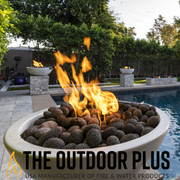
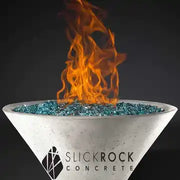
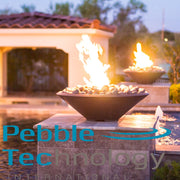
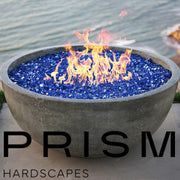
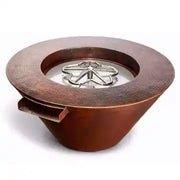
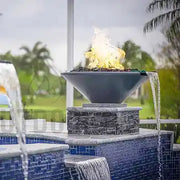
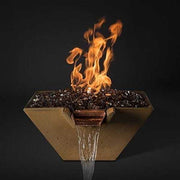
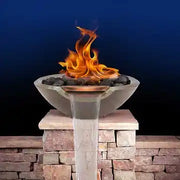


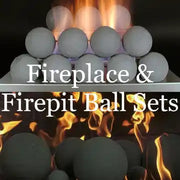

If you have just purchased a fire pit or finally replacing the dusty bag of rocks that came with it, you are probably hitting the roof just like everyone does that is lava rock vs. fire glass. While both perform the same function of covering the burner and helping distribute heat, the way they behave is actually different once the flame starts.
Typically, fire glass for fire pit burns cleaner, gives better heat reflection, and portrays a sleeker look.On the other hand, lava rock is cheaper but holds the heat longer and eventually gets you a more rustic and natural feel. Ideally, the right pick comes down to your budget, the fire pit style, and the maintenance cost that you can comfortably handle.
What is Lava Rock for Fire Pits?
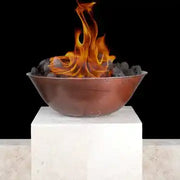
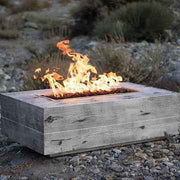
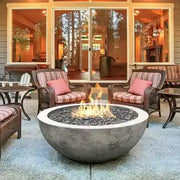
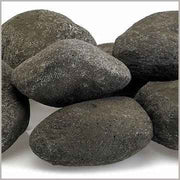
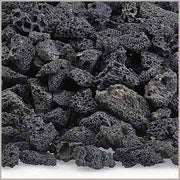
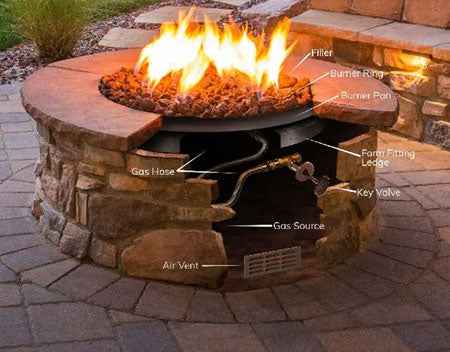
Lava rock for fire pit is similar to what it sounds like that is porous and volcanic rock, usually black or reddish brown that has been cooled and broken down into smaller chunks. It has been one of the most used filler for fire pits for decades as it is cheap, widely available, and does a fantastic job of hiding the burner and gas lines. The porous texture helps with heat distribution by soaking up the warmth and radiating it back but only when the flame dies down a bit. No wonder, you will find it most often in backyard fire pits, older gas fireplace inserts, and budget-friendly outdoor setups. It is a reliable choice though not flashy.
What is Fire Glass for Fire Pits?
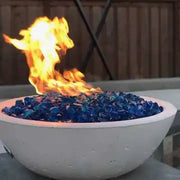
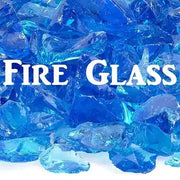
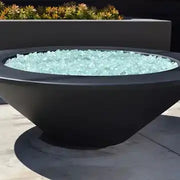
Fire glass is tempered glass that has been processed specifically for use around open flame. So, it won't melt, discolor, or release toxic fumes the way regular glass would. It comes in a range of colors and finishes, from reflective fire glass that catches and bounces light to matte or frosted styles for a softer look. As it is non-porous, it doesn't trap ash, soot, or moisture the way lava rock can.
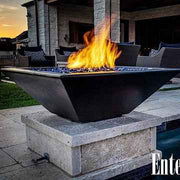
Fire glass has become the favorite for modern patios, contemporary outdoor kitchens, and pits where the design is just as important as the function. It's the choice you'll see in a lot of upscale hotel lounges and high-end backyard renovations.
Lave Rock and Fire Glass: Understanding the Key Differences
| Factor | Lava Rock | Fire Glass |
| Heat retention | Holds heat well, radiates slowly | Reflects heat immediately, less retention |
| Flame visibility | Flames get partially covered by rock | Flames show through clearly, glass enhances brightness |
| Aesthetic | Natural, earthy, rustic | Sleek, modern, colorful options |
| Durability | May crack or crumble over years of heat cycling | Extremely durable, doesn't degrade |
| Maintenance | Absorbs soot/oil, needs replacing every few years | Easy to rinse, rarely needs replacing |
| Odor/soot | Can trap odors and produce light soot buildup | Burns cleaner, minimal odor |
Pros and Cons of Fire Glass and Lava Rock
When it comes to fire pit media comparison, here is what you need to look at:
Lava Rock
Pros
- Inexpensive and easy to find at most hardware stores
- Retains heat well after the flame is turned off
- Gives a natural and campfire-like appearance
Cons
- Can trap moisture, leading to popping or cracking
- Needs replacing every 2–4 years on average
- Limited color or style options
Are you are still wondering which is better lava rock or fire glass? Take a look at the pros and cons of fore glass as well:
Fire Glass
Pros
- Reflects and amplifies flame color and brightness
- Doesn't absorb odors, oils, or moisture
- Lasts for years without needing replacement
Cons
- Higher upfront cost
- Less heat retention once the flame is off
- Can be sharp-edged if lower-quality glass is used
When comparing lava rock vs. fire glass, you need to analyze the pros and cons in depth before making the right decision.
Which is Better? Lava Rock or Fire Glass
It’s hard to define the best fire pit media. It largely depends on individual requirements.
If you are working with a tight budget or you want that classic and natural fire pit look, lava rock is still a solid and reliable choice. On the other hand, if you want a decorative fire pit media, modern patios, outdoor entertaining spaces, or anywhere the fire pit needs to look as good as it functions, fire glass is usually the better call.
Final Thoughts
When it comes to lava rock vs. fire glass, there's nothing like a "better" option. Think about your fire pit's design, your climate, and how hands-off you want maintenance to be, and the right choice should be pretty clear. If you are ready to upgrade your fire pit media, Outdoor Fire and Patio offers a full selection of materials. Visit https://outdoorfireandpatio.com/ to browse our collections right away.
Frequently Asked Questions
Can you mix lava rock and fire glass?
Yes, many people layer lava rock underneath and fire glass on top for both function and aesthetics, though it's not necessary for either to work well on its own.
Which lasts longer?
Fire glass typically lasts far longer than lava rock as it does not crack from heat cycling or absorbs moisture the way porous rock does.
Is fire glass safe for gas fire pits?
Yes, tempered fire glass is specifically manufactured for direct flame contact and won't melt, off-gas, or discolor like standard glass.
How much fire glass or lava rock do I need?
Most standard fire pits need about a 2–3 inch layer of media, which usually translates to 10–25 lbs depending on the pit's size.
Leave a comment