

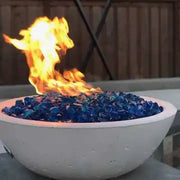
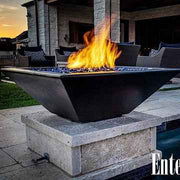
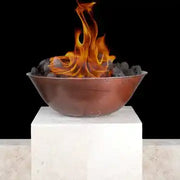




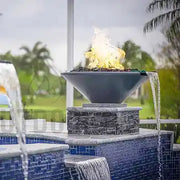

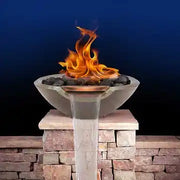
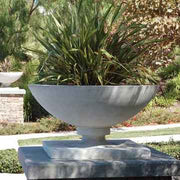
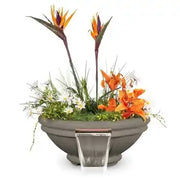


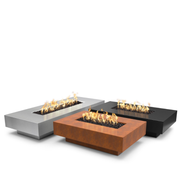
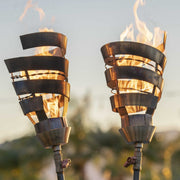
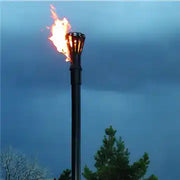
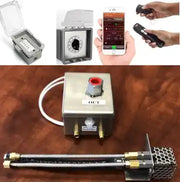

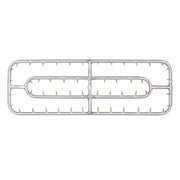
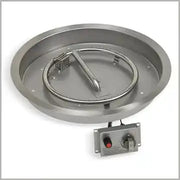
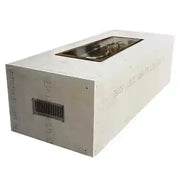
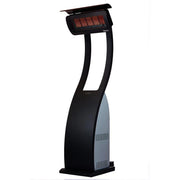

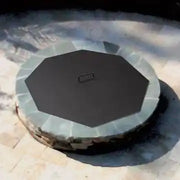
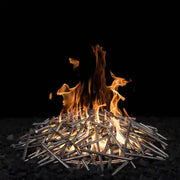
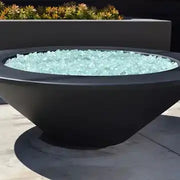
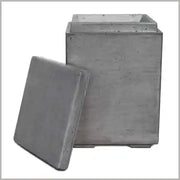


If you thought that a decorative fire bowl is just a decorative feature or an accessory to refurbish your outdoors, think again. It has turned into a functional centerpiece or a focal point that provides warmth, ambience as well as a gathering point for every season.
However, transitioning an outdoor fire bowl from a seasonal luxury to year round use can be a real challenge and requires more than just a box of matches. To ensure safety, longevity, and performance, you must be precise about its placement and how you are for it as the seasons shift.
This guide offers a clear and practical approach to maintaining your modern fire bowl throughout the year and positioning it correctly in any outdoor setting.
Significance of Seasonal Maintenance
Fire bowls are constantly exposed to weather elements such as heat, moisture, dust, and debris as seasonal changes intensify these impacts. Regular and season-specific maintenance helps:
- Extend the lifespan of the fire bowl
- Maintain efficient and clean combustion
- Prevent corrosion, clogging, and surface damage
- Ensure safe operation for users and surroundings
- Seasonal Upkeep of Fire Features
However, each season brings unique challenges, making a one-size-fits-all maintenance routine ineffective.
Seasonal Upkeep of Fire Features
Summer Maintenance
The patio fire bowl is used less frequently in summer but heat, dust, and insects can still affect your fire feature. Here are the summer maintenance tips you need to follow to keep it in good shape.
- Keep the fire bowl covered when not in use but use a weather-resistant cover to prevent buildup of dust buildup and UV damage
- Keep it in a well-ventilated place as insects and debris can block burner ports or airflow openings
- Avoid exposure to direct sunlight as excessive heat may weaken finishes and seals over time
- Ground stability may shift during dry months and ensure that the fire feature remains stable.
Fire bowls require minimal but consistent upkeep during summer months and help prevent deterioration before peak fall usage.
Fall Maintenance
Fall is the most active season for fire bowls making maintenance especially important. Here are the best practices to follow:
- Clear leaves and organic debris as they can trap moisture and cause rust or mold
- You need to test the ignition system and ensure that the fire burns smoothly before frequent use
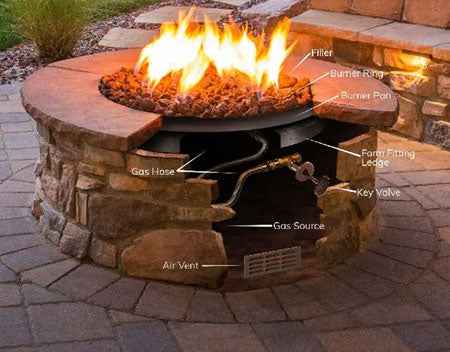
- Inspect the supply of fuel to replace worn hose or regulator of your gas fire bowl
- Clean the burner ports as blocks may lead to uneven flames and inefficient burning
Proactive fall maintenance ensures consistent performance and avoids disruptions during high use months.
Winter Maintenance
Winter poses the biggest risk due to frost, moisture, and freezing temperatures. Here are the best maintenance practices to follow:
- Drain the gas lines as it helps prevent cracking and freezing
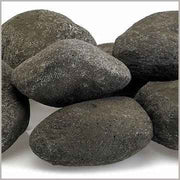
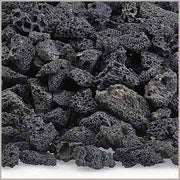
- Remove fire glass and lava rocks and clean them for indoor storage
- Use a heavy-duty waterproof cover and ensure that its fits comfortably to prevent snow and water accumulation
- During extreme winter conditions you need to store the natural gas fire bowl indoors
When using the fire feature in winter, be sure to remove snow and moisture before lighting.
Spring Maintenance
Spring is the ideal time to assess the data caused due to winter conditions. Here are the key maintenance steps to follow:
- Even though a concrete fire bowl is good enough to resist cracks but after long-time usage, you must not even skip hairline cracks.
- Deep cleaning the bowl helps remove ash, soot, leaves, and debris. You can use a soft brush and mild soap to clean the bowl.
- Check burners and gas lines to ensure that burner ports are clear and gas connections are intact.
- Reapply protective coatings can restore appearance and protect surfaces
Spring maintenance prepares the fire bowl for increased use during outdoor entertaining season.
How to Place the Fire Bowl For Maximum Safety And Function?
Correct placement of the fire bowl is as crucial as maintenance. You need to understand that poor positioning often leads to safety hazards, inefficient heat output, and surface damage.
Distance from Structures
You need to place the fire bowl at least 10-15 feet away from buildings, fences, and overhangs as well as avoid positioning them under trees or near low-hanging branches.
Stability of Surface
You need to install on non-combustible and level surfaces such as concrete, stone, or fire-rated pavers. Avoid using the bowl on wooden decks unless it is rated for deck use and include heat shielding.
Wind Direction
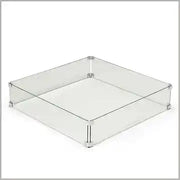
You must position the fire bowl away from prevailing winds to prevent flame disruption and excessive smoke. Additionally, wind guards and glass shields can improve safety and flame consistency.
Accessibility and Layout
The walkways around an must be clear and maintain a safe seating distance.
Final Thoughts
Seasonal maintenance and thoughtful placement are essential to maximizing the safety, performance, and lifespan of a fire bowl. A well-maintained and correctly placed fire not only enhances outdoor living but also ensures peace of mind every season. Elevate your outdoor living space with stunning fire bowls, fire pits, and patio essentials from https://outdoorfireandpatio.com to explore our premium collection today and transform your backyard into a cozy, stylish retreat.
FAQs:
Why is seasonal maintenance important for fire bowls?
Seasonal maintenance protects your fire bowl from weather damage, rust, cracks, and debris accumulation, ensuring safe operation and prolonging its lifespan.
What is the best surface for placing your fire bowl?
You need to place the fire bowl on non-combustible and level surfaces such as concrete, stone, or fire-rated pavers. Avoid placing directly on wood, grass, or soil unless the bowl is rated for those surfaces.
Can I reposition my fire bowl seasonally?
Yes, portable fire bowls can be repositioned based on seasonal needs such as moving away from enclosed areas in summer or closer to seating areas in fall and winter while maintaining safe clearances.
Leave a comment