

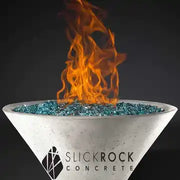
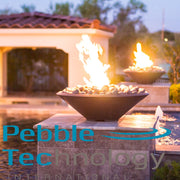
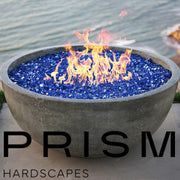
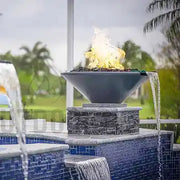
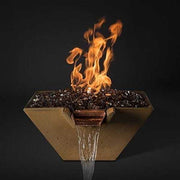
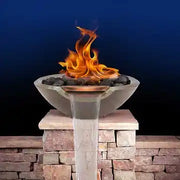
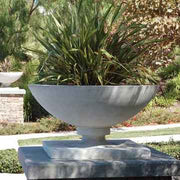
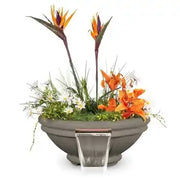


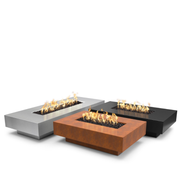
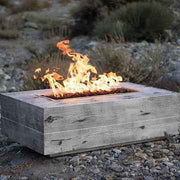
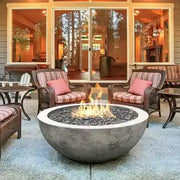
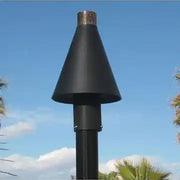
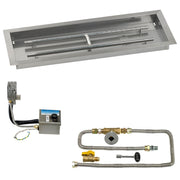
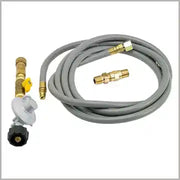
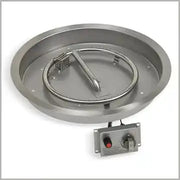
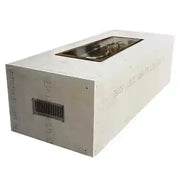
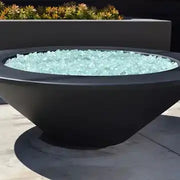

Gas fire bowls are a stylish and convenient outdoor décor item that helps add ambiance and warmth. So, when upgrading the patio, deck, or backyard, choosing the right one is not about picking a feel-good design.
Before buying a gas fire bowl, you need to check the type of fuel, whether natural gas or propane, heat output or BTU, durability of the material, safety features, size, placement, and local regulations. Picking the right combination ensures value for money, better performance, and safety.
Gas Fire Bowl Buying Guide
1. Choose the Right Fuel
The first thing to consider when buying an outdoor fire bowl is whether you want a propane or natural gas fire bowl.
- Propane fire bowls are portable and easy to set up, making them ideal for renters or flexible outdoor layouts.
- Natural gas fire bowls require a fixed gas line but offer continuous fuel without tank refills.
Your choice depends on convenience, budget, and whether you want a permanent or movable setup.
2. Check the Heat Output
Heat output is measured in British Thermal Unit or BTU and determines how much warmth a concrete fire bowl would provide:
- Small spaces typically need 30,000–40,000 BTU
- Larger patios or open areas may require 50,000 BTU or more
If your goal is both ambiance and warmth, never underestimate this factor; low BTU may look nice but won’t keep you warm.
3. Material and Build
Gas fire bowls are exposed to heat and weather, so durability is a crucial aspect. Here are some of the common materials included in a gas fire bowl buying guide:
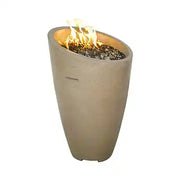
- Concrete or fiber-reinforced concrete are modern, heavy, and weather-resistant
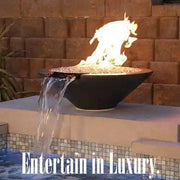
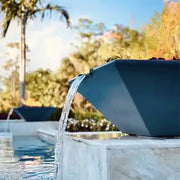
- Steel or stainless steel are sleek but should be resistant to corrosion
- Cast aluminum is lightweight and corrosion-resistant
You need to look for weatherproof finishes and solid construction to ensure longevity.
4. Size, Shape, and Placement
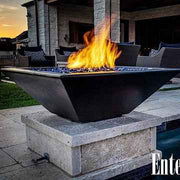
Fire bowls are available in various sizes and shapes. So, you can get one in a round, rectangular, or square shape. For instance, if you are trying to get a round gas fire bowl, try to measure the outdoor space carefully:
Ask yourself these questions:
- Will it fit comfortably without crowding seating areas?
- Is there proper clearance from walls, furniture, and overhead structures?
Proper placement improves safety and enhances the overall look of your outdoor setup.
5. Safety Features
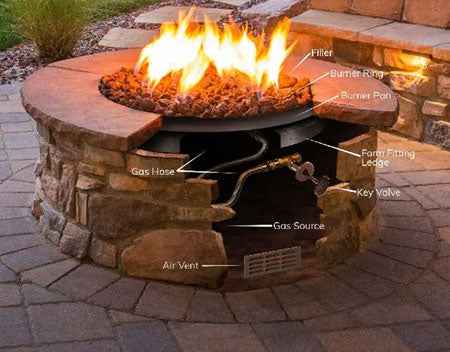
A quality natural gas fire bowl should include essential safety features such as:
- Flame control valve
- Auto shut-off or thermocouple
- CSA or CE certification
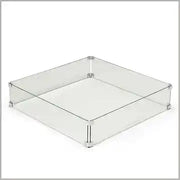
- Protective burner cover or fire media
These features reduce risks and ensure the fire bowl meets safety standards.
6. Fire Media and Aesthetic Appeal
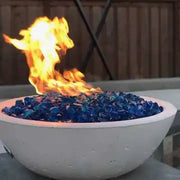
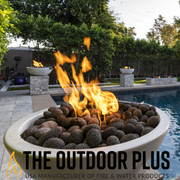
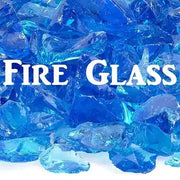
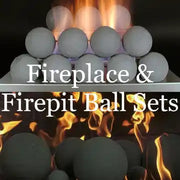
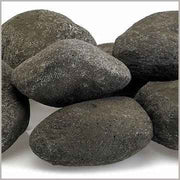
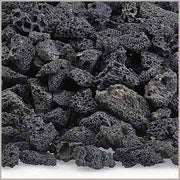
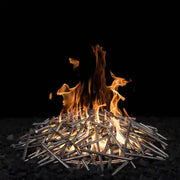
Fire media such as lava rocks, fire glass, or ceramic logs affects both appearance and heat distribution. Fire glass offers a modern look, while lava rocks provide a more natural, rustic vibe.
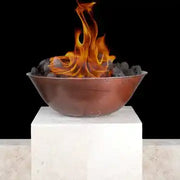
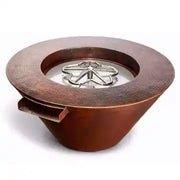
Choose a copper fire bowl that complements your outdoor décor while maintaining proper airflow for the flame.
7. Local Regulations and Installation Requirements
Before purchasing, check local fire codes and HOA rules. Some areas restrict open flames or require specific clearances. If you’re installing a natural gas unit, professional installation may be required.
Ignoring regulations can lead to fines or worse, safety hazards.
Final Thoughts
Buying a gas fire bowl is an investment in comfort, style, and outdoor living. By considering the above-mentioned factors, you will avoid common mistakes and choose a fire bowl that fits your lifestyle perfectly. Explore premium gas fire bowls, fire pits, and patio essentials designed for style, safety, and year-round comfort at Outdoor Fire and Patio. Visit Outdoor Fire and Patio to browse our collections.
FAQs:
Are gas fire bowls safe to use on a patio?
Yes, gas fire bowls are safe when used according to manufacturer guidelines. Choose models with CSA or CE certification, flame control valves, and automatic shut-off features. Always maintain proper clearance from walls and furniture.
What is the difference between propane and natural gas fire bowls?
Propane fire bowls use refillable tanks and are portable, while natural gas fire bowls connect to a fixed gas line for continuous fuel. Propane offers flexibility, whereas natural gas provides convenience for permanent installations.
Can a gas fire bowl be used on a wooden or composite deck?
Yes, many gas fire bowls can be used on decks if they have proper heat shielding and are placed on a non-combustible base. Always verify deck compatibility in the product specifications and follow local fire codes.
Can gas fire bowls be left outside year-round?
Yes, high-quality gas fire bowls made from concrete, stainless steel, or cast aluminum are designed for outdoor use. Using a weather-resistant cover will extend the life of the fire bowl.
Leave a comment