







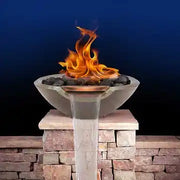





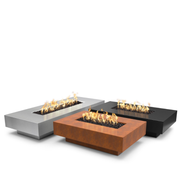
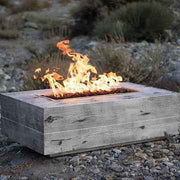
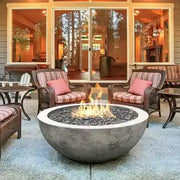






Wooden fire tables produce excessive smoke primarily when the wood does not burn efficiently. Some of the commonest causes include using wet or unseasoned wood, poor airflow in the fire pit, improper fire building techniques, ad burning softwood that contain high resin. To reduce smoke, homeowners need to stick to high-quality hardwood, ensure that the fire pit vents are clear for smooth airflow, and start fires with dry kindling.
Wood pit fire tables are one of the best additions to outdoor living spaces as they create warmth, a focal point in the outdoors, and the right ambiance. However, you may notice that the wood fire table often produces excessive smoke, making outdoor gatherings uncomfortable. To make fire burn more efficiently, you need to enjoy a cleaner and more efficient fire.
Why Wood Fire Tables Produce Excessive Smoke?
Well, you must have already come across common fire pit smoking problems but here is a detailed presentation along with the solutions:
1. Using Wet or Unseasoned Wood
One of the commonest causes of excessive smoke is burning wet or unseasoned wood. Freshly cut wood contains a high level of moisture. Therefore, when this wood burns, the fire must first evaporate the moisture before it can burn the wood fibers, which creates more smoke.
Solution:
Use seasoned hardwood that has been dried for at least 6–12 months to create a smokeless fire pit table. Properly seasoned wood burns hotter, cleaner, and produces significantly less smoke.
2. Poor Airflow in the Fire Pit
A fire needs oxygen to burn efficiently. If your fire pit table does not have proper airflow, the wood may smolder rather than burn cleanly, producing thick smoke.
Solution:
Make sure that the air vents of the fire pit are not blocked by ash or debris and arrange the logs so that air can circulate between them. A well-structured fire allows oxygen to reach the flames and promotes complete combustion.
3. Incorrect Technique of Building Fire
When you stack wood too tightly or place large logs on the fire too early, fire won’t burn properly. This can restrict airflow and prevent the fire from reaching a high temperature.
Solution:
Start with small kindling and dry tinder, then gradually add larger logs once the fire starts properly. This helps create a hot flame that burns wood more efficiently and reduces smoke.
4. Choosing Wrong Wood
Not all wood burns the same way. Softwoods such as pine and spruce contain more sap and resin, which can produce extra smoke and sparks, especially when used in wood burning fire pits.
Solution:
Choose hardwoods like oak, maple, or hickory. They burn longer, produce less smoke, and create a more stable flame in an outdoor smokeless fire pit table.
5. Excess Ash Buildup
Ash buildup at the bottom of the fire pit can restrict airflow and cause incomplete combustion, which leads to increased smoke.
Solution:
Clean your fire pit regularly. Removing excess ash helps maintain proper airflow and improves burning efficiency.
When to Consider a Smokeless Fire Pit Design?
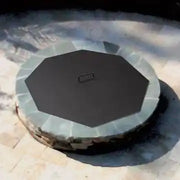
Some modern wood fire pit tables are designed with advanced airflow systems that help burn wood more completely. These designs circulate oxygen through the fire chamber, which increases combustion efficiency and reduces smoke.
If smoke is a persistent problem, upgrading to a smokeless fire pit table or adding airflow accessories can significantly improve your outdoor fire experience.
Conclusion
Wood fire pit tables produce excessive smoke mainly due to wet wood, poor airflow, improper fire-building techniques, or the wrong type of fuel. By using seasoned hardwood, maintaining proper ventilation, and building fires correctly, you can significantly reduce smoke and enjoy a cleaner, more comfortable outdoor fire.
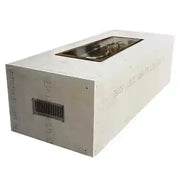
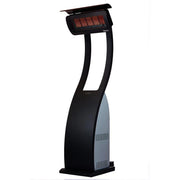
At Outdoor Fire and Patio, you’ll find premium fire pit tables and outdoor fire features designed for better airflow, cleaner burning, and long-lasting performance. Whether you are upgrading your backyard or creating the perfect patio gathering space, their expertly crafted products help you enjoy beautiful flames with less smoke and more comfort. Visit https://outdoorfireandpatio.com/ to explore our collections.
Frequently Asked Questions
Why does my wood fire pit table produce so much smoke?
A wood fire pit table usually produces excessive smoke when the wood is wet, unseasoned, or when there is not enough airflow in the fire pit. Poor fire-building techniques and burning resin-heavy softwoods can also increase smoke.
What type of wood produces the least smoke in a fire pit?
Seasoned hardwoods such as oak, maple, and hickory produce less smoke because they burn hotter and contain less moisture compared to softwoods like pine or fir.
How can I reduce smoke from my wood fire pit table?
You can reduce smoke by using dry, seasoned wood, arranging logs to allow proper airflow, starting the fire with kindling, and cleaning excess ash from the fire pit regularly.
Does a smokeless fire pit really reduce smoke?
Yes, smokeless fire pits are designed with improved airflow systems that increase combustion efficiency. This allows the wood to burn more completely, which significantly reduces visible smoke.
Leave a comment