

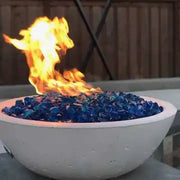

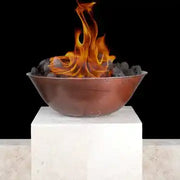




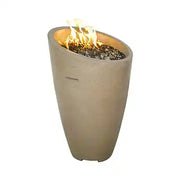













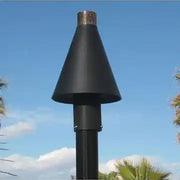
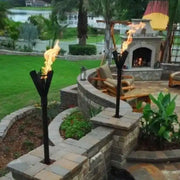

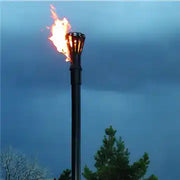


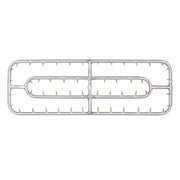



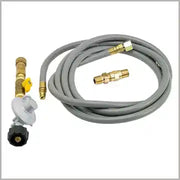










Common gas tiki torches installation mistakes include improper gas line connections, poor ventilation, unstable mounting, incorrect torch placement, and skipping pressure or flame testing. These errors can cause gas leaks, fire hazards, and inconsistent flames. To avoid these errors, you need to follow the guidelines of the manufacturer, ensure proper spacing and airflow, use certified gas fittings, and the right model.
On the whole, tiki torches have become a popular lighting option for outdoors of homes, resorts, and restaurants due to their ambiance and functionality. Unlike traditional flame torches, gas-powered models offer cleaner combustion, consistent flames, and modern aesthetics.
This guide breaks down the common installation mistakes, explains why they occur, and shows how you should avoid them:
Why Should You Install Tiki Torches Correctly?
Gas tiki torches rely on precise gas flow, proper ventilation, and stable mounting. Errors during installation can result in:
- Gas leaks and fire hazards
- Inconsistent or weak flames
- Carbon buildup and poor combustion
- Damage to surrounding structure
- Voided manufacturer warranties
Risks, Causes, and how to Avoid Common Gas Torch Installation
1. Improper Gas Line Connection
One of the commonest mistakes is using incorrect fittings, loose connections, or incompatible gas lines during installation of tiki torches. Not understanding gas pressure requirements or failure to use certified components can result in such errors.
How to Avoid It
- Use manufacturer-approved gas connectors
- Test all joints with a leak detection solution
- Hire a licensed gas technician for fixed installations
- Ensure compatibility for natural gas or propane systems<
This mistake is especially risky for automated gas tiki torches, which rely on precise gas control systems.
2. Incorrect Spacing and Torch Placement
Placing Gas Tiki Torches too close to structures, plants, or walkways may cause trouble and that is one need to prioritize safety clearance before aesthetic planning.
How to Avoid It
- Maintain minimum clearance recommended by the manufacturer
- Avoid overhanging branches or flammable decor
- Space multiple torches evenly for airflow
This issue commonly affects modern gas tiki torches when they are integrated into contemporary outdoor layouts.
3. Poor Mounting and Stability
Not securing torches properly into the ground or mounting base is a big mistake and it happens when installers may ignore soil conditions, wind exposure, or surface type.
How to Avoid It
- Use weighted bases for portable gas tiki torches Anchor fixed torches in concrete or reinforced mounts
- heck vertical alignment to ensure even flame distribution
- Unstable installations can cause tipping, gas disconnection, and flame misdirection.
4. Ignoring Ventilation Requirements
Installing tiki torches in enclosed or semi-enclosed spaces when all outdoor spaces like patios or pergolas are mistakenly treated as safe zones is another mistake you need to avoid.
How to Avoid It
- Install torches only in open and well-ventilated areas
- Never place gas torches indoors or under low ceilings
- Follow airflow recommendations for consistent combustion
This is critical for copper gas tiki torches, which can overheat if airflow is restricted.
5. Choosing the Wrong Torch
Choosing the wrong gas tiki torch model for the installation environment is one of the biggest mistakes. It happens when buyers prioritize design over functionality.
How to Avoid It
- portable gas tiki torches for temporary or movable setups
- Choose copper gas tiki torches for coastal or humid areas due to corrosion resistance
- Opt for modern gas tiki torches for architectural integration
- Install automated gas tiki torches for large-scale or programmable outdoor spaces
Correct selection of torches reduces installation errors and long-term maintenance.
6. Neglecting Local Codes And Manufacturer Guidelines
Ignoring local gas safety regulations or installation manuals and making decisions based on past experience and wrong assumptions
How to Avoid It
- Check local fire and gas safety codes
- Follow manufacturer installation diagrams exactly
- Keep documentation for inspections and warranty claims
Compliance improves safety and enhances long-term reliability.
Best Practices for Safe Gas Tiki Torch Installation
- Always perform a post-installation safety check
- Schedule periodic inspections
- Clean burners to prevent soot buildup
- Shut off gas supply when not in use
These best practices apply across to all types of gas tiki torches.
Conclusion:
Installing gas tiki torches correctly is not just about aesthetics but about safety, performance, and durability. By avoiding common installation mistakes and selecting the right torch type, you ensure a reliable and visually striking outdoor lighting experience. Upgrade your outdoor space with safe, stylish, and professionally installed Gas Tiki Torches fromOutdoor Fire and Patio. Visit to bring effortless ambiance to your outdoors.
FAQs:
What are the most common Gas Tiki Torches installation mistakes?
The most common Gas Tiki Torches installation mistakes include improper gas line connections, unstable mounting, poor ventilation, incorrect spacing, and failing to test gas pressure and flame height. These errors can lead to safety hazards and poor performance.
Are Gas Tiki Torches safe to install at home?
Yes, gas tiki torches are safe for home use when installed correctly. Safety depends on proper gas fittings, adequate ventilation, stable placement, and compliance with manufacturer instructions and local gas safety codes.
How far should Gas Tiki Torches be placed from structures?
Gas tiki torches should typically be placed at least 3–5 feet away from buildings, furniture, and plants. Always follow the manufacturer’s recommended clearance to prevent fire risks and ensure proper airflow.
Do Gas Tiki Torches require professional installation?
Fixed or automated gas tiki torches often require professional installation by a licensed gas technician. Portable torches may be installed by homeowners, provided all safety guidelines are strictly followed.
Leave a comment