

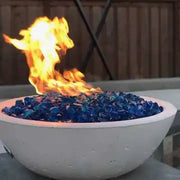
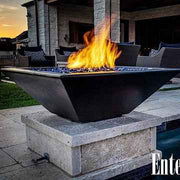
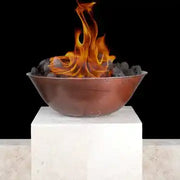
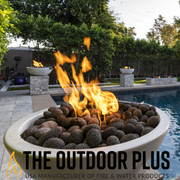


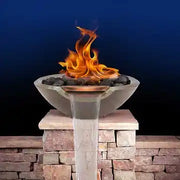


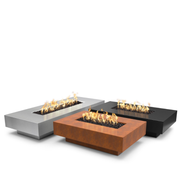
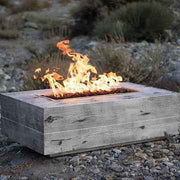

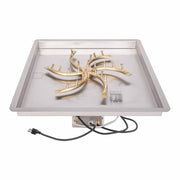
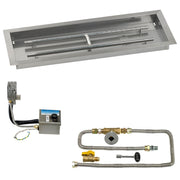
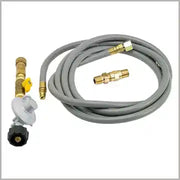
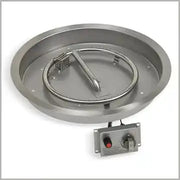
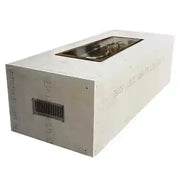
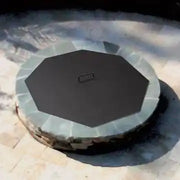

Choosing the right gas fire pit insert depends on your custom fire pit’s size, fuel type, burner style, heat output and safety requirements. A well-matched insert creates a safe, efficient and visually appealing outdoor gathering space.
A custom fire pit can transform an ordinary outdoor space extraordinarily and make it warmer and more inviting. However, it is not just the finished fire feature that matters; the components beneath the fire media lay an equally important role in terms of safety, flame performance, and long-term durability.
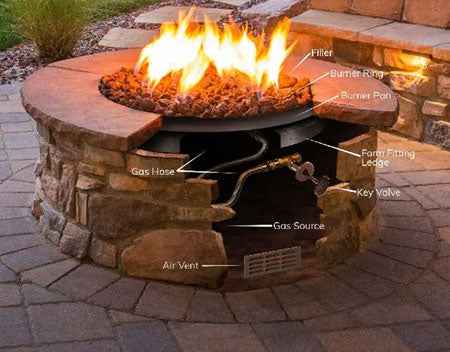
Choosing appropriate gas fire pit inserts requires more than selecting a burner that fits the opening. You need to consider the fire pit dimensions, fuel source, burner design, heat output, ignition system, and installation requirements.
Here is how to choose the right fire pit insert and what to look for before making the final decision.
Choosing the Best Gas Fore Pit Insert
Take a look below to understand how to choose gas fire pit inserts:
- Measuring the interior of the fire pit and deciding whether to use natural gas or propane
- Choosing a gas fire pit burner based on the size and shape of the fire feature
- Check the required BTU output, ignition system, quality of material, weather resistance, ventilation, and clearance requirements
- For a custom gas fire pit, all components should work together to deliver consistent performance and safe operations
Understand the Custom Fire Pit Dimensions
The size of the pit determines your choice. An insert too large may leave insufficient clearance while the one that is too small may affect flame coverage and the appearance of the feature.
Before choosing the gas fire pit insert, you need to measure the:
- Interior width and length
- Interior depth
- Available space around the burner
- Size and shape of the fire pit opening
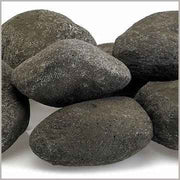
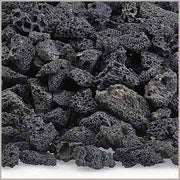
You need to factor in the fire media such as lava rock, fire glass or any other material. The burner and insert must fit comfortably within the fire pit without overcrowding the flame area.
How to Measure the Fire Pit for an Insert?
Start by measuring the internal dimensions of the completed fire pit instead of the exterior part. Now, you need to compare the measurements with the manufacturer’s specifications, including required clearances around the gas burner and the insert. Taking accurate measurements early can help prevent costly adjustments once installation begins.
Choose the Right Gas Fire Pit Burner Size and Shape
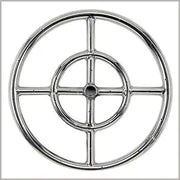
The gas fire pit burner determines the distribution of flame across the fire feature. The size and shape should complement the dimensions of the fire pit. Here are the common options:
- Round burners for circular fire pits
- Square burners for square designs
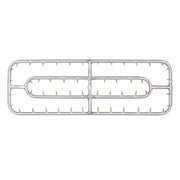
- Rectangular burners for larger installations
- Linear burners for long and narrow fire features
What Size Gas Fire Pit Burner Do You Need?
A burner should provide good flame coverage while maintaining the recommended clearance from the sides of the fire pit. A burner that is too large can concentrate excessive heat near the edges, while an undersized burner may leave too much unused space. When it comes to burner size, gas supply and installation requirements, you need to follow the manufacturer’s recommendations before making a selection.
BTU Output and Flame Performance
BTU output indicates the heat-producing capacity of the burner. While it is an important specification, choosing the highest BTU rating is not always the right approach.
Consider:
- The size of the fire pit
- The intended use of the space
- Desired flame height
- Available gas supply
- Outdoor conditions
How Much Heat Should a Gas Fire Pit Produce?
If the fire feature is primarily decorative, a controlled and visually balanced flame may be more important than maximum heat output. If you are planning to use it as a source of warmth around a seating area, heat performance may carry greater importance.
A properly matched gas burner, insert and fuel supply can provide better results than simply choosing the highest-output option.
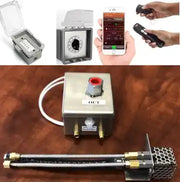
Choosing the Right Ignition System
The ignition system determines how easily the fire pit can be started and controlled. Your choice should depend on the complexity of installation and the level of convenience you want.
- Match-lit systems offer a simple manual setup
- Push-button ignition provides a more convenient starting option
- Electronic ignition systems can offer easier operation and may include additional safety features depending on the design
- Automated ignition systems are often selected for more advanced or permanently installed outdoor fire features
What Type of Ignition System Should You Use?
A simple ignition system may be sufficient for a smaller fire feature. For a larger custom gas fire pit that will be used frequently, electronic or automated controls may offer greater convenience.
Whichever option you choose, make sure it is compatible with the burner and fuel source.
Material Quality and Weather Resistance
Outdoor fire features are exposed to heat, moisture and changing weather conditions. Therefore, material quality should never be overlooked when choosing a Gas Fire Pit Insert.
Check these when looking for materials:
- Corrosion resistance
- High heat tolerance
- Outdoor durability
- Easy maintenance
Stainless steel is commonly used in outdoor fire components because it is durable and resistant to corrosion. However, the quality of construction and suitability for the specific environment should also be considered.
Safety and Ventilation
Safety should be considered from the earliest design stage. Proper ventilation, drainage, clearances and compatible gas connections are essential for a successful installation.
Before installing your fire pit insert, you must review the following:
- Required ventilation
- Clearance around the burner
- Drainage provisions
- Gas supply compatibility
- Access for maintenance
- Manufacturer instructions
- Applicable local requirements
Water accumulation can also affect outdoor fire components over time. Planning for adequate drainage can help protect the burner and other parts of the system.
Should You Buy a Complete Gas Fire Kit?
A gas fire pit kit can simplify the selection process by providing compatible components in one package. Depending on the product, a kit may include the burner, ignition system, controls and connection components.
Individual components, on the other hand, may provide more flexibility for highly customized projects.
Gas Fire Kit vs. Individual Components
| Consideration | Gas Fire Pit Kit | Individual Components |
| Compatibility | Components are generally designed to work together | Must be checked individually |
| Convenience | Easier selection process | Requires more planning |
| Customization | May be limited | Greater flexibility |
| Installation | Often more straightforward | Can be more complex |
For a straightforward project, a complete gas fire pit kit can make planning easier. For a unique or large-scale custom gas fire pit, individual components may offer greater design flexibility.
Conclusion
Choosing the right gas fire pit insert is about finding the right balance between design and performance. From accurate measurements and fuel selection to burner compatibility, ignition and material quality, every detail contributes to the final result.
Explore premium gas fire pit inserts, burners and custom fire pit solutions from Outdoor Fire and Patio. Visit https://outdoorfireandpatio.com/ to explore our collections.
FAQs
What size gas fire pit insert do I need?
The right size depends on the internal dimensions of your fire pit, burner size and required clearances. Always refer to the product specifications before purchasing.
Can I install a gas fire pit insert in a custom-built fire pit?
A suitable Gas Fire Pit Insert can be installed in a custom-built structure when the required ventilation, clearances, fuel supply and installation specifications are properly addressed.
What is the difference between a gas fire pit insert and a gas burner?
The burner creates and distributes the flame, while the insert or pan provides a structured area for installing and supporting the burner within the fire pit.
Is natural gas or propane better for a gas fire pit?
Natural gas is often suitable for permanent installations with an available gas line, while propane can offer flexibility where a fixed connection is not available.
How much clearance does a gas fire pit insert need?
Clearance requirements vary by product and installation. Always follow the manufacturer's specific recommendations.
What should be included in a gas fire pit kit?
A gas fire pit kit may include a burner, ignition system, gas controls and other required components. The exact contents depend on the kit.
How long do gas fire pit inserts last?
Their lifespan depends on material quality, installation, weather exposure and maintenance. Durable, weather-resistant components that are properly maintained can provide reliable long-term performance.
Leave a comment