

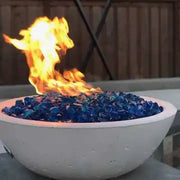
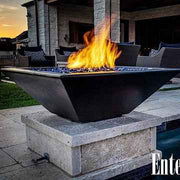
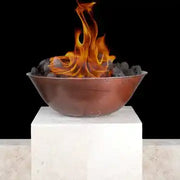
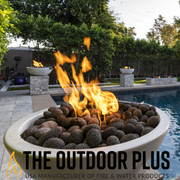
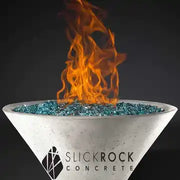
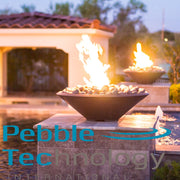
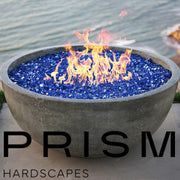
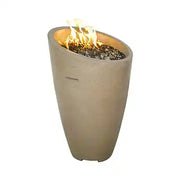
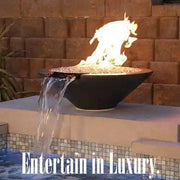
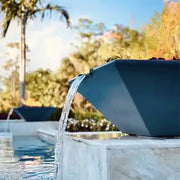
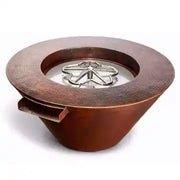
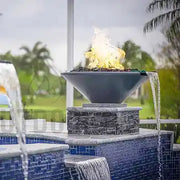
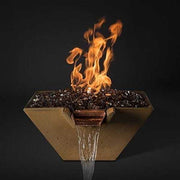
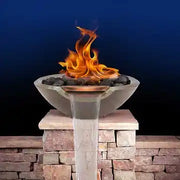
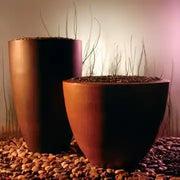
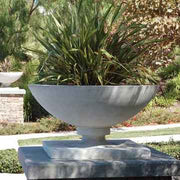
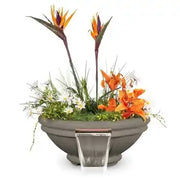


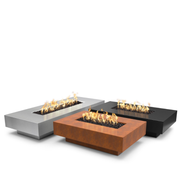
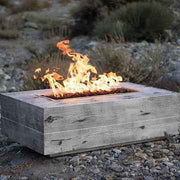
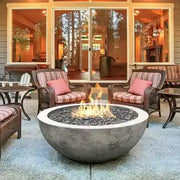
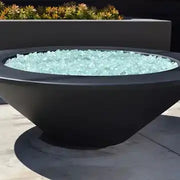

A fire bowl is undoubtedly the centrepiece or the focal point of an outdoor space of any residence. From adding light, warmth, and a distinct ambiance to patios and garden areas, the fire bowl is a truly distinct element. However, before investing, the one thing you need to find out is how long do firebowls last.
There is no straight and single answer to this question. A lot depends on the quality of construction, material, climate, frequency of use, and maintenance. A well-made bowl that undergoes proper maintenance remains functional and attractive for many years. Usually, a constant exposure to harsh weather generally shortens its life.
How Long Do Fire Bowls Last?
A well-made and high-quality fire bowl can last for many years when it is properly maintained. However, concrete, copper, steel, and other materials react to moisture, heat, freezing temperatures, and corrosion differently. Choosing the right material for your climate and using a protective cover makes a noticeable difference to its longevity.
What Determines a Fire Bowl’s Lifespan?
Here are the factors that determine the fire bowl lifespan:
1. Material Quality and Construction
The material durability is only one part of the equation. The other factors you need to consider is construction quality, heat resistance, finishing and the quality of the burner and fuel system can affect the durability. A well-constructed fire bowl that is specifically intended for outdoor use is better equipped to handle repeated heating and cooling unlike a product that is made using low-quality materials.
2. Climate and Weather Exposure
Weather exposure is among the biggest factors as the fire bowls are constantly exposed to the surroundings. Rain, humidity, intense sunlight, salty air, and freezing temperatures gradually affect different materials.
For instance, moisture may encourage corrosion in some metals while repeated freezing and thawing may contribute to cracking and porous materials. A material with proper corrosion resistance reduces these tendencies to a great extent.
3. Frequency of Use
A fire bowl used occasionally may experience less wear and tear than one used several times a week. Repeated heating and cooling cycles can place stress on certain materials over time.
4. Maintenance and Protection
Outdoor fire bowl maintenance helps protect the fire bowl from unnecessary weather exposure and extend the life of the fire feature.
A protective cover comes as useful when the bowl is not in use for extended periods.
Firebowl Lifespan by Material: A Quick Glance
| Material | General Durability | Main Concern | Maintenance Priority |
| Concrete | High when properly made and maintained | Cracking and moisture | Keep dry and protected |
| Copper | High with proper care | Patina and corrosion | Clean and protect the surface |
| Steel | Varies | Rust and corrosion | Limit moisture exposure |
| Stainless Steel | High | Surface corrosion in harsh conditions | Regular cleaning |
| Cast Iron | High | Rust | Keep dry and protected |
How Long Does a Concrete Fire Bowl Last?
Concrete fire bowl durability makes it a popular choice for outdoor fire features. Quality concrete bowls may withstand outside hazards but they may still need appropriate care. When water enters concrete and it is repeatedly exposed to freezing and thawing, cracks are likely to appear. Furthermore, sudden temperature changes may also place stress on the material.
You need to keep the bowl from retaining water and protect it during severe weather to reduce unnecessary deterioration. Adding a suitable sealant may provide additional protection. However, the downside is that concrete is heavy, so moving or handling the fire bowl roughly can cause chips or cracks. So, positioning it from the beginning is often the best approach.
How Long Does a Copper Fire Bowl Last?
Copper is valued for durability and distinctive appearance. The copper fire bowl lifespan is usually high when the bowl is properly maintained and used according to the manufacturer’s instructions. Copper tends to develop a patina over time, which is the normal ageing process of the material.
You need to keep the bowl from retaining water and protect it during severe weather to reduce unnecessary deterioration. Adding a suitable sealant may provide additional protection. However, the downside is that concrete is heavy, so moving or handling the fire bowl roughly can cause chips or cracks. So, positioning it from the beginning is often the best approach.
How Climate Affects Fire Bowl Lifespan?
The local climate can have as much influence on longevity as the material itself. Here is what you need to know:
Hot and Dry Climates
Strong sunlight and high temperatures can increase outdoor exposure. Positioning the fire bowl appropriately and following the manufacturer's care recommendations can help minimize unnecessary wear.
Rainy or Humid Climates
Frequent rain and high humidity increase moisture exposure. Water should not be allowed to collect inside the bowl, and the surface should be allowed to dry properly.
Coastal Climates
Salt-laden air can accelerate corrosion, particularly on susceptible metals. Choosing a material with good corrosion resistance and cleaning the surface regularly can help.
Cold and Freezing Climates
Freezing weather deserves special attention, especially for concrete and other materials that can absorb moisture. Water trapped within the material can expand when frozen, and contribute to cracking.
So, you need to protect the fire bowl during severe winter conditions and follow the manufacturer's recommendations for seasonal storage.
Does Outdoor Maintenance Help Extend the Lifespan of Fire Bowls?
Yes, consistent outdoor fire bowl maintenance can help prevent minor issues from becoming major problems.
Clean the Bowl Regularly
Remove ash, dirt and debris according to the manufacturer's instructions. Keeping the bowl clean also makes it easier to notice early signs of damage.
Keep Moisture From Sitting Inside
Standing water can contribute to corrosion and deterioration. Make sure drainage areas remain clear and allow the bowl to dry after wet weather.
Inspect for Cracks, Rust or Corrosion
Check the bowl for structural cracks, unusual corrosion, rust, warping or damaged components periodically. Early attention can help prevent further deterioration.
Use a Protective Cover
A suitable protective cover can reduce exposure to rain, dirt, leaves and other outdoor elements when the fire bowl is not being used.
Follow the Manufacturer's Care Instructions
Different materials require different cleaning and maintenance methods. Avoid using harsh products or techniques unless they are specifically recommended for your fire bowl.
Conclusion
So, how long do fire bowls last? There is no universally best material. The most durable option depends on where you live and how you plan to use the fire bowl.
Are you ready to make your patio more inviting? Explore quality outdoor fire bowls and patio heating solutions from Outdoor Fire and Patio. Find the right style and material for your space, and create a cosy outdoor setting you can enjoy in every season. Visit https://outdoorfireandpatio.com/ to find the perfect fire feature.
Frequently Asked Questions
How long do fire bowls last?
A quality fire bowl can last for many years, but its lifespan depends on material, construction, climate, usage and maintenance.
How long do concrete fire bowls last?
Concrete fire bowls can be highly durable when properly constructed and maintained. Protecting them from prolonged moisture and severe freeze-thaw conditions can help reduce cracking.
How long does a copper fire bowl last?
Copper fire bowls can have a long useful life when properly cared for. Their appearance will naturally change over time as the copper develops a patina.
Does rain damage a fire bowl?
Rain does not automatically damage every fire bowl, but prolonged moisture exposure can contribute to rust, corrosion or deterioration depending on the material.
Can you leave a fire bowl outside all year?
This depends on the material, local climate and manufacturer's recommendations. A protective cover and appropriate seasonal care can reduce weather exposure.
Does a protective cover extend fire bowl lifespan?
A cover can help reduce exposure to rain, dirt and other outdoor elements, potentially helping the fire bowl remain in better condition for longer.
What is the most durable material for an outdoor fire bowl?
Concrete, copper, stainless steel and other materials perform well when their properties match the climate and maintenance routine.
How often should an outdoor fire bowl be maintained?
Basic cleaning and inspection should be performed regularly, with additional attention after heavy rain, storms or periods of frequent use.
Leave a comment