

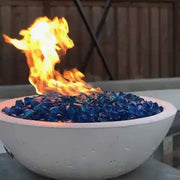
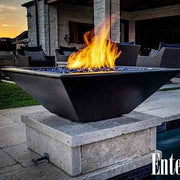
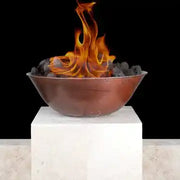

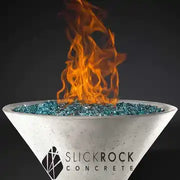
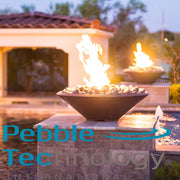



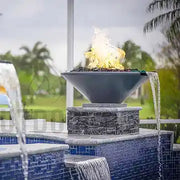
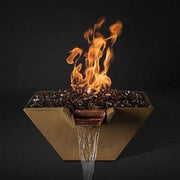
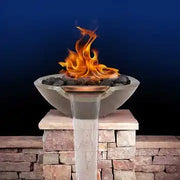







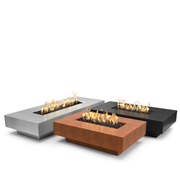


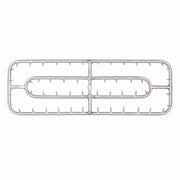
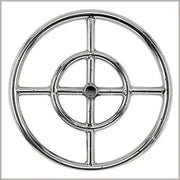

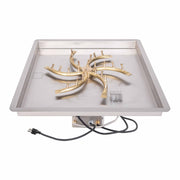
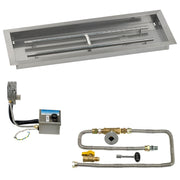

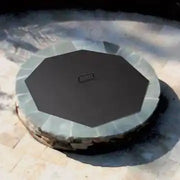


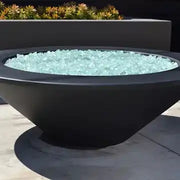

A pool fire bowl can transform a pool area into a stunning outdoor retreat. However, when it comes to natural gas vs. propane pool fire bowls, the decision-making becomes crucial. Natural gas suits properties with an existing gas connection, while propane offers flexibility where natural gas is not available.
Natural Gas vs. Propane Fire Bowls: What is the Difference?
When it comes to choosing pool fire bowl fuel, both varieties create attractive flames but the supplies are different. While natural gas comes through a gas connection, propane is stored in a tank. The fuel type you choose for your fire bowl depends on the infrastructure, intended use, and installation requirements.
How Does a Natural Gas Fire Bowl Work?
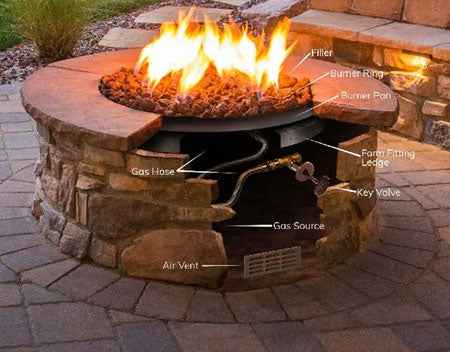
A natural gas pool fire bowl connects to an appropriate gas line and provides a continuous fuel supply. It works best for permanent pool installations where the feature is going to be used regularly. However, the property must have suitable gas connection and the existing line needs to meet the requirements of the fire bowl.
A propane gas pool fire bowl uses propane stored in a suitable tank. As it does not depend on natural gas connection, it is a practical choice for homes where natural gas is not available or extending a gas line is difficult. Propane can provide more flexibility in certain outdoor installations. However, you need to place the tank appropriately, monitor regularly, and refill when needed.
Natural Gas vs. Propane Pool Fire Bowls: A Quick Glance
| Factor | Natural Gas | Propane |
| Fuel Source | Natural gas line | Propane tank |
| Installation | Suitable gas connection | Compatible tank and setup |
| Supply | Continuous | Requires refilling |
| Placement | Usually permanent | More flexible |
| BTU Output | Model-dependent | Model-dependent |
| Operating Costs | Local gas rates | Propane prices |
You need to check the factors for each fuel type carefully to make an informed decision.
Natural Gas or Propane Pool Fire Bowls: Which Performs Better?
When it comes to choosing natural gas vs. propane pool fire bowls, for performance, propane generally offers higher energy content per unit of fuel, while natural gas provides consistent performance through a continuous gas supply.
However, the actual flame size and the heat output depend on the BTU output, the design of the burner, gas pressure, and manufacturer specifications.
| Performance Factor | Natural Gas pool Fire Bowl | Propane Pool Fire Bowl |
| Heat Potential | Strong and consistent heat | Higher energy density can support strong heat |
| BTU Output | Depends on burner and pressure | Depends on burner and pressure |
| Flame Appearance | Steady and natural-looking flame | Strong and vibrant flame |
| Flame Consistency | Consistent with adequate gas pressure | Consistent with adequate tank pressure |
| Continuous Operation | Excellent due to continuous supply | Limited by tank capacity |
| Energy Density | Lower per unit volume | Higher per unit volume |
| Best Use | Frequent and extended operation | High-heat applications and flexible use |
Heat Output: Which Fuel has the Edge?
Are you searching a gas fire bowl for pool areas? Well, heat output here is usually measured in BTUs. Propane has more energy per unit volume compared to natural gas, which makes it more advantageous in terms of energy density.
However, it does not indicate that every propane fire bowl will produce more heat compared to natural gas models. A fire bowl’s burner capacity, gas pressure, size and rated BTU output will have a major influence on the actual performance.
Flame Quality and Consistency
Both fuel types can create stable and visually bright flame when the burner matches with the fuel correctly and the pool fire bowl installation done according to the specifications of the manufacturer.
A natural gas fire bowl maintains consistent performance when connected to an uninterrupted power source and a propane fire bowl also delivers string performance when the tank has adequate fuel and the system maintains the required pressure.
Which Performs Better for a Pool Fire Bowl?
You can choose propane when maximum energy density and strong heat performance are the priorities. Similarly, you can choose natural gas connection when consistent and continuous operation is more important. For the most accurate comparison, you need to delve deeper to evaluate the BTU rating, burner design, pressure requirements, and fuel consumption instead of analyzing the fuel type alone.
Which Pool Fire bowl is More Convenient?
Natural gas can be highly convenient for homeowners who already have an appropriate gas connection. You can avoid regular tank refills and the fire bowl can be connected permanently.
Propane offers a different type of convenience as it does not need any gas connection, making it the right option for properties without an existing gas line. The only thing you need to take care of is monitoring the propane supply and arranging for refills.
Which Fuel is Better for Pool Fire Bowls?
A natural gas pool fire bowl may be the better choice when:
- Your property already has a suitable gas connection
- You want a permanent pool feature
- You expect to use the fire bowl regularly
- You prefer a continuous fuel supply and want to avoid the hassles of refilling
A propane gas pool fire bowl may be preferable when:
- Natural Gas is unavailable
- Extending a gas line is impractical
- You want greater flexibility in your installation
- A suitable propane tank can be safely accommodated
Your decision must factors in elements such as infrastructure, usage patterns, installation requirements and long-term costs.
Conclusion
The best pool fire bowl fuel depends on your property's infrastructure and how you plan to use the feature. With the right fuel system and professional installation, a pool fire bowl can provide both striking visual appeal and an inviting atmosphere around your pool.
Are you trying to rev up the poolside space with an appropriate pool fire bowl? Outdoor Fire and Patio offers stunning outdoor fire features that offer the right mix of ambiance, warmth and lasting appeal. Visit Outdoor Fire and Patio to create an exemplary setting for relaxing and unwinding.
Frequently Asked Questions
Which Pool Fire bowl is More Convenient?
Neither is universally better. Natural Gas is often convenient for permanent installations with an existing gas connection, while propane provides flexibility where natural gas is unavailable.
Does a propane Pool Fire Bowl produce more heat than Natural Gas?
Heat performance depends on BTU output, burner design and the specific fire bowl. You must compare manufacturer specifications and not fuel type alone.
Which fuel costs less to operate?
It depends on local fuel prices, consumption and usage frequency. Compare the fuel consumption of the fire bowl with current local rates before making a decision.
Does a Pool Fire Bowl require professional installation?
Professional installation is strongly recommended for gas-powered fire features. Proper connections, fuel supply and applicable safety requirements need to be addressed during installation.
Leave a comment