



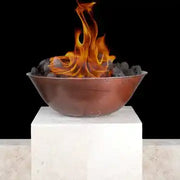



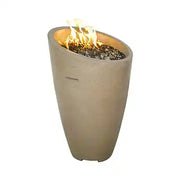


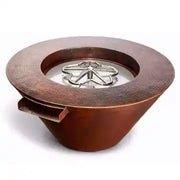


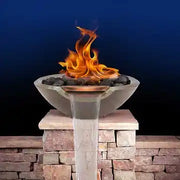







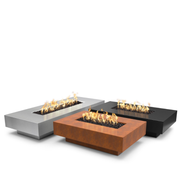
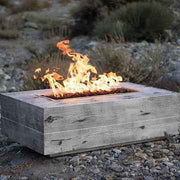






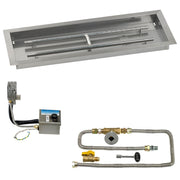
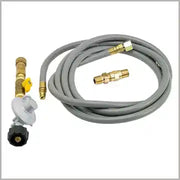
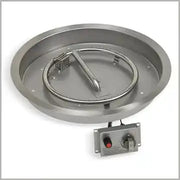







Choosing the best fuel for fire pits is not about sticking to preferences. You must understand that the right choice will affect heat output, maintenance, costs, and the overall experience. The two most common options for fire pit fuel are wood and gas but both have distinct features and serve different purposes.
Wood fire pits give out strong heat and the ambiance of a traditional campfire and gas fire pits are ideal for convenience, clean burning, and low maintenance.
If you are not sure which fuel type is suitable for your backyard space, check below for an end to end comparison.
Wood vs. Gas Fire: A Quick Comparison
| Features | Wood Fire Pit | Gas Fire Pit |
| Heat Output | High and intense heat | Moderate and consistent heat |
| Convenience | Requires setup and tending | Instant ignition and easy to use |
| Maintenance | High | Low |
| Ambiance | Authentic and crackling flames | Clean and controlled flame |
| Smoke Level | Produces smoke and sparks | Smokeless |
| Initial Cost | Lower | Higher |
| Long-term Costs | Higher | More predictable |
| Safety | Open flame and sparks risk | Safer and controlled flame |
| Best For | Large outdoor spaces | Patios and urban homes |
Types of Fire Pit Fuels
Wondering what is the best fuel for fire pit? Here is what you need to know:
Wood-Burning Fire Pits
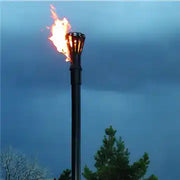
Wood is among the traditional fire pit fuels that is known for creating a natural flame, crackling sound, and the smoky ambiance and aroma that many homeowners love.
- Hardwood such as oak and maple and softwood such as pine are most often used for burning
- Wood is most suitable for backyards, large outdoor spaces, and rural areas
Gas Fire Pits
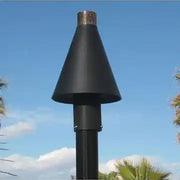
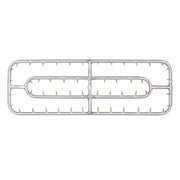
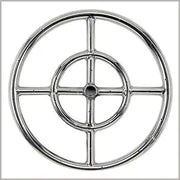
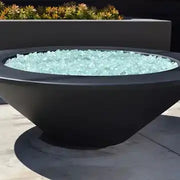
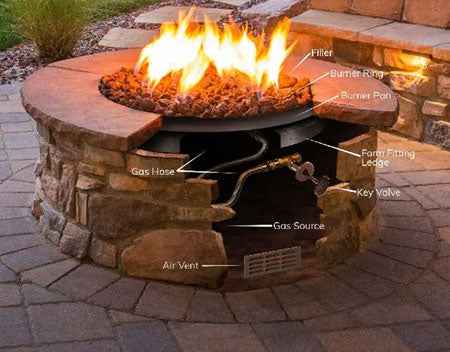
Gas fire pits use natural gas or propane to create a controlled flame.
- Propane fire pits are easy to set up
- Natural gas fire pits require a fixed connection and is cost-effective in the long run
- They are best-suited for patios, decks, and urban homes
Wood vs. Gas Fire Pit: Detailed Comparison
When it comes to wood vs. gas fire pit fuel, here is a detailed comparison to help you pick the right one:
1. Heat Output and Warmth
Wood fire pits produce extreme and intense heat, making them just right for cold climates and large gatherings.
Gas fire pits, on the other hand, give out milder heat which is ideal for moderate climate and smaller spaces.
2. Convenience and Ease of Use
Gas fire pit is the clear winner when you assess convenience.
- Gas fire pits come with an instant ignition system along with a switch or lighter so all you have got to do is turn the heat on.
- Wood fire pits require an elaborate setup, lighting, and constant tending
When searching for the best fuel for fire pits that offer a quick and hassle-free experience, gas is undoubtedly the better choice.
3. Cost Comparison
The cost depends on the kind of setup needed and long-term usage:
- Wood fire pits cost low initially but the fuel expenses make it more expensive for long-term use
- Gas fire pits will cost higher initially, especially if you have to install the natural gas extension but the fuel costs in the long run is going to be visibly low
If you are planning to use the fire feature frequently, gas is more economical over time.
4. Maintenance Requirements
Maintenance makes it easy to sort the differences during fire pit fuel comparison:
- In wooden fire pits, you have to clean the ash and dispose them off regularly
- In gas fire pits, minimal cleaning is all that you need to do along with occasional maintenance of the burner.
For a setup that requires least effort, a gas fire pit is invariably the better choice.
5. Smoke and Impact on Environment
Wooden fire pits not only produce smoke but give away sparks and emissions, which may not be environmentally suitable.
Gas fire pits burner clean, produce no smoke and ash, and reduce the environmental impact. That is why gas fire pits are a better option for homes in urban areas.
6. Safety Considerations
Safety is one of the most crucial factors when choosing a fuel for fire feature.
- Wooden fire pits give away sparks and embers and pose fire risks
- Gas fire pits offer controlled flame with fewer hazards
Undoubtedly, gas fire pits are safer, especially for families and compact spaces.
Which Fire Pit to Choose?
So, you are almost on the verge of making a decision. Now, what should be your ideal choice?
- Choose a wooden fire pit if you want a traditional campfire experience, need strong heat, and do not care about elaborate experience
- Choose a gas fire pit when you prioritize convenience, clean burning, and a contemporary outdoor setup
Best Situations for Wood and Gas Fire Pits
- Wooden fire pits create a perfect ambiance for cozy social gatherings
- Gas fire pits are more realistic and safer for urban patios and balconies
- Wooden fire pits provide better warmth in cold climates
- Gas saves time and effort for homes that use fire pits regularly
Conclusion
When it comes to choosing the best fuel for fire pits, there is no one-size-fits-all solution. The best choice depends on your space, lifestyle, and how you plan to use the fire feature. Looking to upgrade your outdoor space with the perfect fire pit? Explore high-quality options designed for both wood and gas fuel types, built for durability, performance, and style at Outdoor Fire and Patio. Visit https://outdoorfireandpatio.com/ for more memorable outdoor events.
Frequently Asked Questions
Which fire pit fuel produces more heat?
Wood fire pits generate more intense heat compared to gas.
Is a gas fire pit cheaper than wood?
Gas can be more cost-effective over time, especially with frequent use.
Are gas fire pits safer than wood?
Yes, gas fire pits are generally safer due to controlled flames and no sparks.
Do wood fire pits cause more pollution?
Yes, wood produces smoke and emissions while gas burns cleaner.
Can I switch from a wood fire pit to gas?
Yes, but it may require conversion kits or professional installation.
Leave a comment